

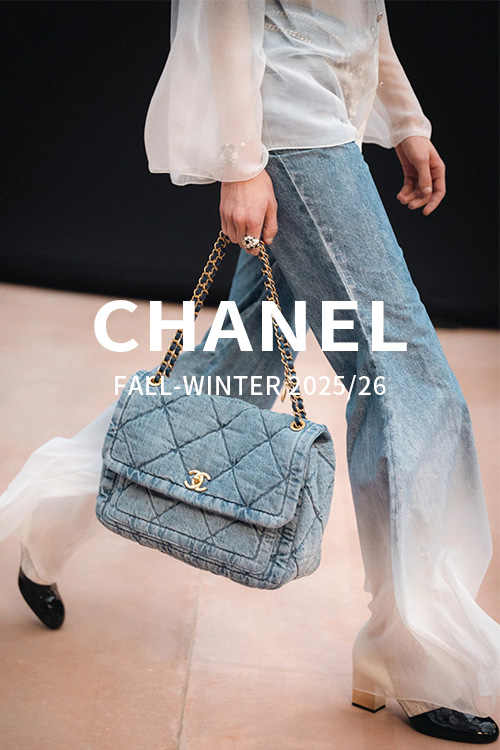
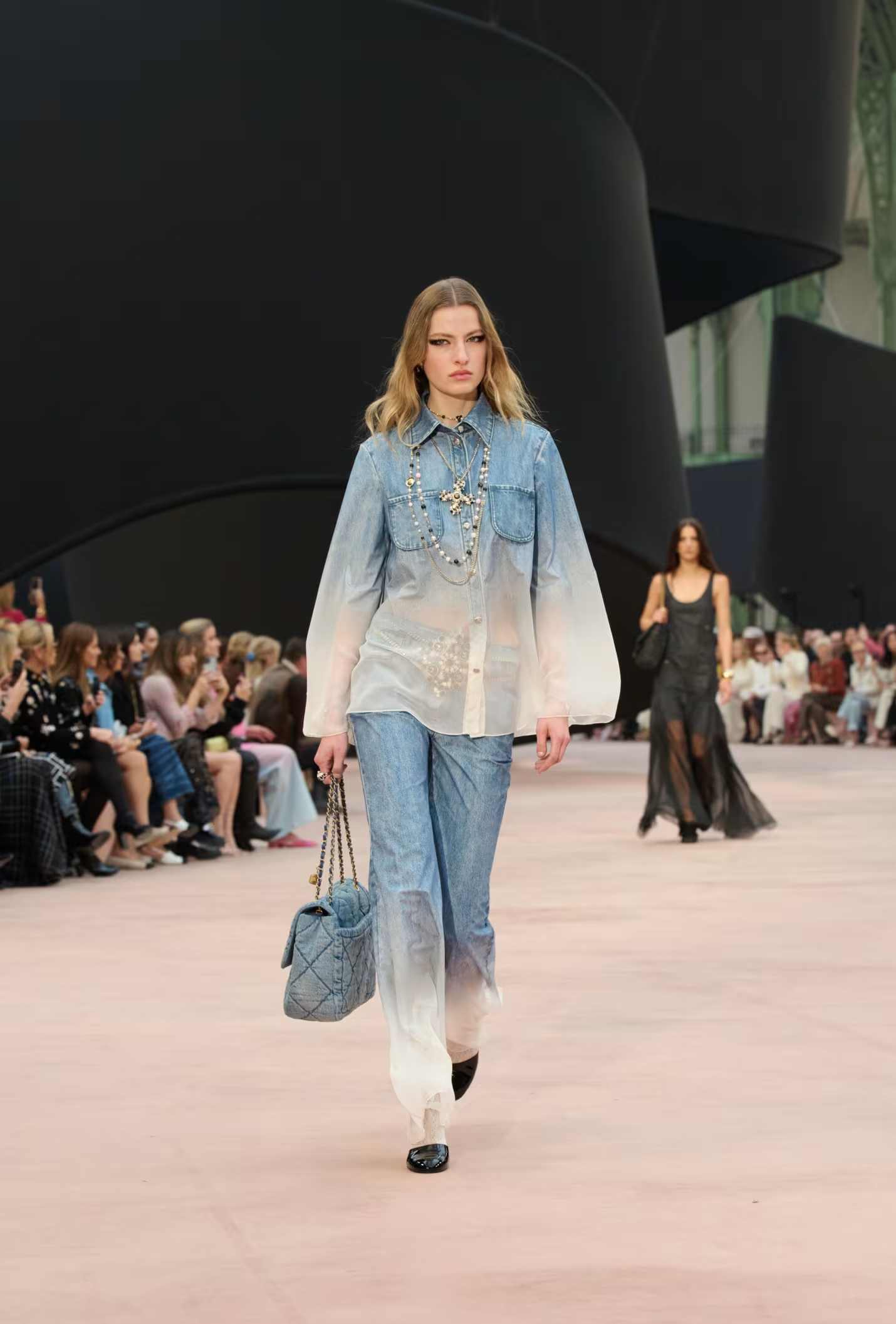
On the runway of CHANEL's Fall/Winter 2025 show, the gradient effect of denim and chiffon, resembling liquid light and shadow, instantly went viral on social media. This was not only a triumph of design but also a pinnacle of fabric craftsmanship. From Prada's needle-punched blends to Margiela's heat-pressed "deception," top fashion houses have long turned fabric transformation into a form of scientific art.
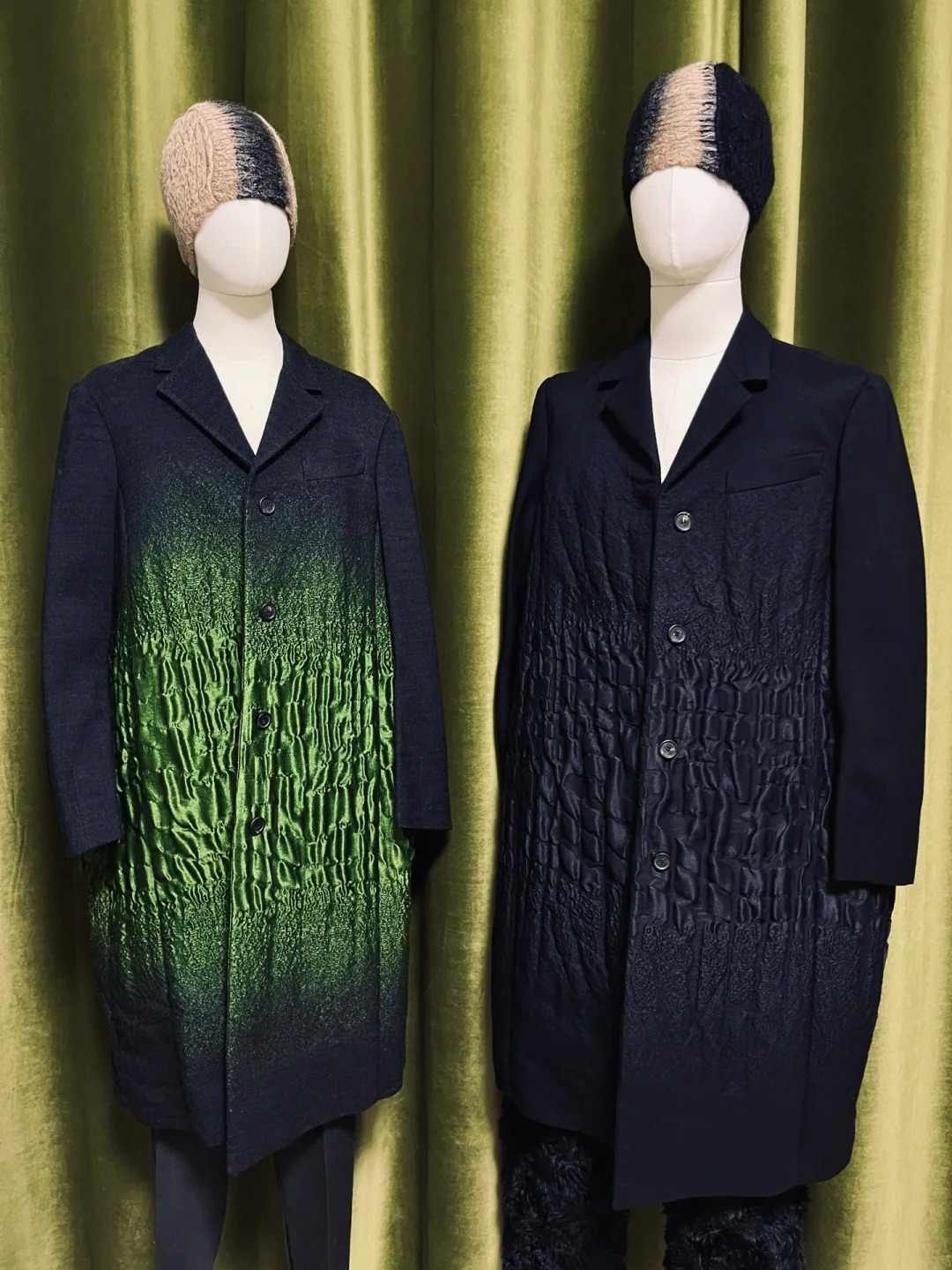
Prada's "Needle-Punching Technique": The Quantum Entanglement of Wool and Silk
In Prada's Fall/Winter 2007 collection, designers used industrial needle-punching machines to "forcibly fuse" bright silk with wool fibers. By repeatedly piercing with hooks, they intertwined two completely different materials—stiff wool and flowing silk—at the fiber level.
Highlights:
- Gradient from Thick to Thin: By adjusting the density of needle-punching, the fabric transitions from the thickness of woolen fabric to the lightness and wrinkled texture of silk, as if the fabric is "melting" while in motion.
- Tactile Contrast: When you run your fingers over it, you can simultaneously feel the roughness of wool and the smoothness of silk. This sense of contradiction is precisely Prada's signature aesthetic.
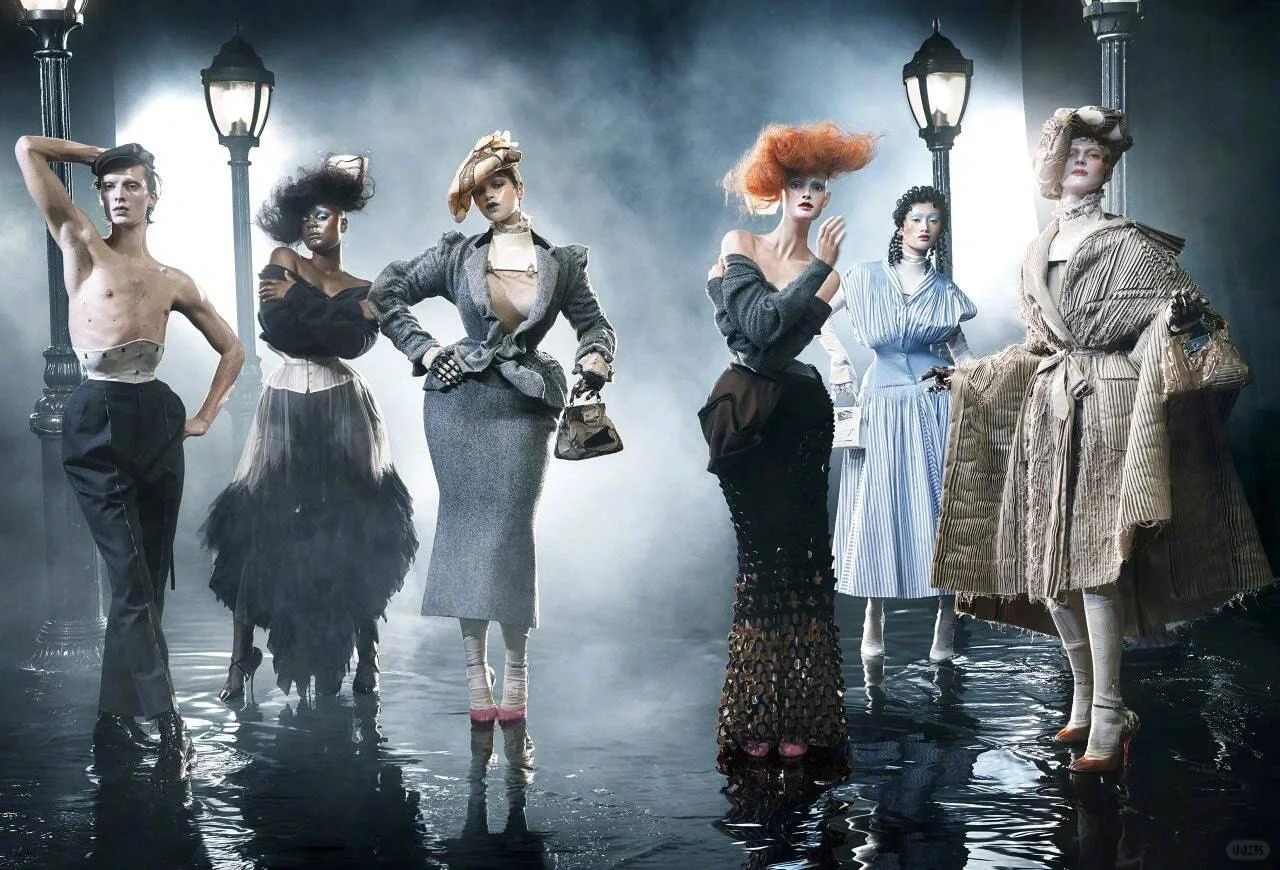
Maison Margiela's "Deception Craftsmanship": Pressing Cotton into Patent Leather, and Tanning Calfskin into Porcelain
- Heat-Pressed Coating Technology: In Margiela's laboratory, fabric scientists specialize in creating illusions. Ordinary cotton fabric, after being pressed with a polyurethane coating at high temperatures, produces a mirror-like reflection. From a distance, it looks like patent leather, but when you touch and feel it, you can still experience the breathability of cotton.
- Porcelain Tanning Method: Calfskin, soaked in a special tanning agent and then rapidly frozen, causes the leather fibers to become brittle and crack. This creates a coexistence of fragility and strength.
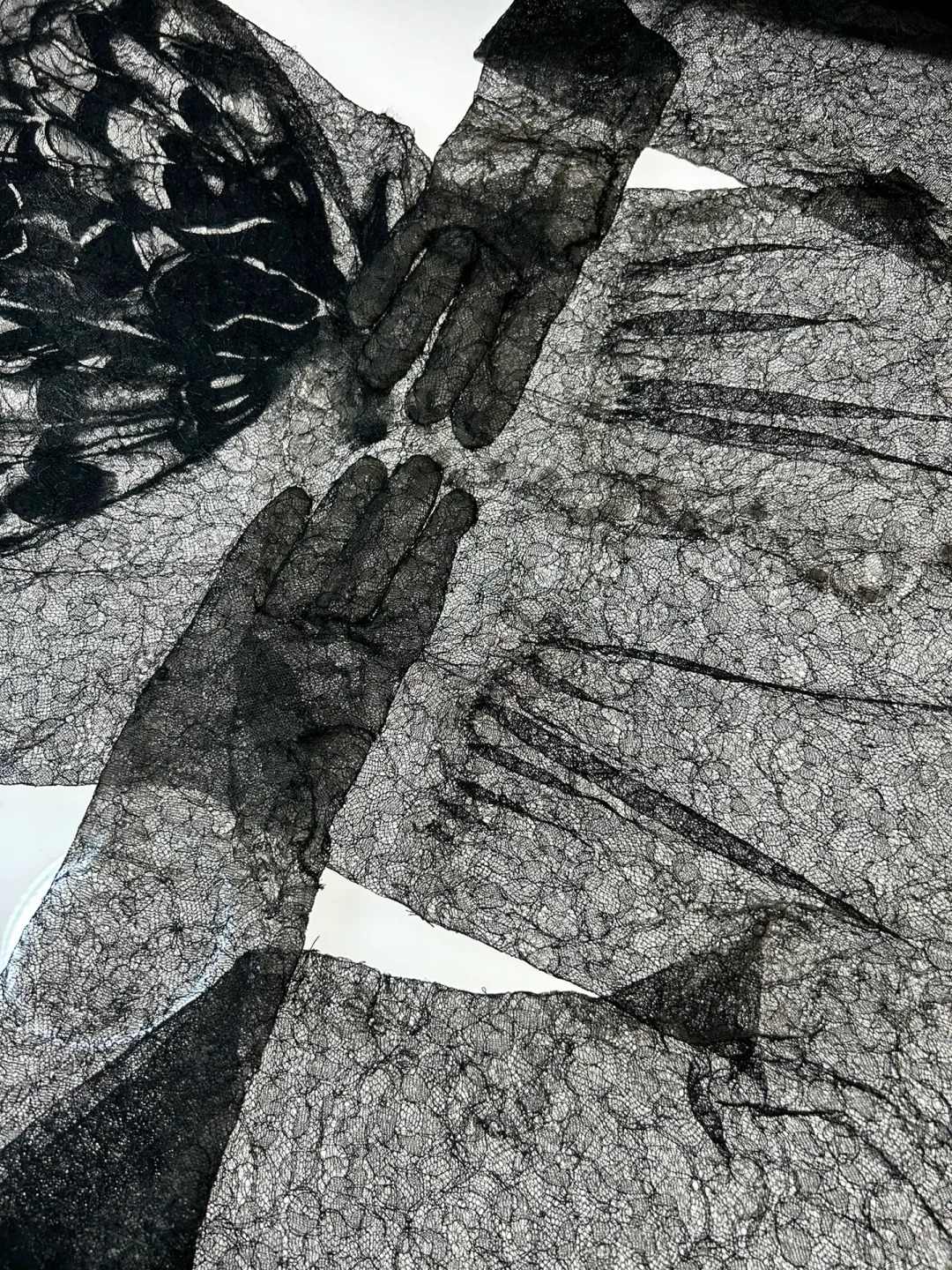
Valentino's "Fabric Patchwork Game": The Gravitational Field of Chiffon and Velvet
In Valentino's Fall/Winter 2025 collection, light-weight chiffon and textured velvet are sewn together into a "two-in-one" creation:
- Laser Cutting for Edging: Using laser cutting with a precision of 0.1mm to prevent fabric fraying, ensuring that the seam between chiffon and velvet is as clean as possible.
- Gravity Draping Algorithm: By simulating the draping coefficients of different fabrics through computer modeling, the hem of the patchwork skirt can sway like chiffon while maintaining the vertical lines of velvet when in motion.
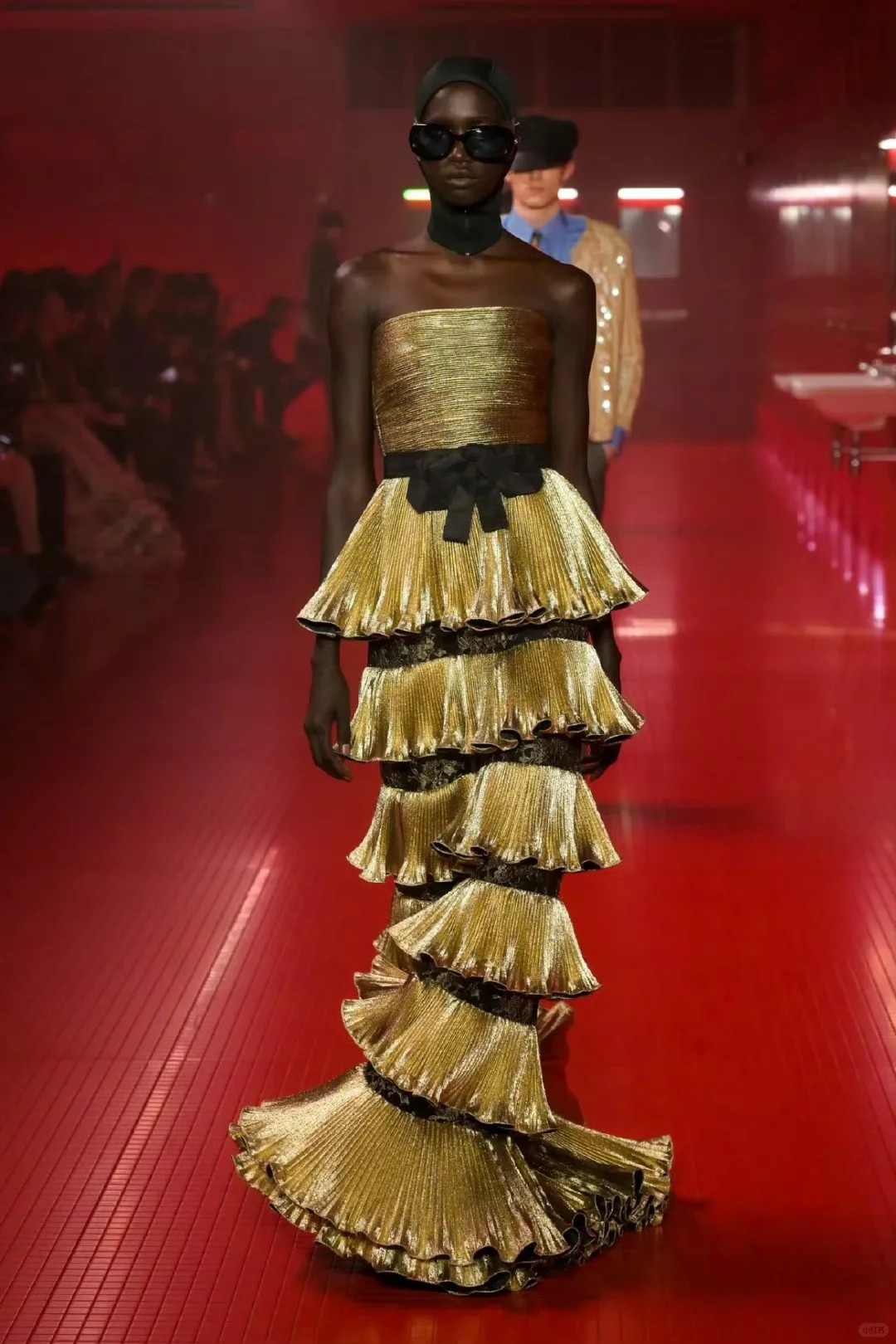
CHANEL's Ultimate Answer: The "Gradient Dissolution" from Denim to Chiffon
The iconic gradient skirt that went viral on the runway is actually the result of three layers of craftsmanship:
- Base Layer: Laser-etched denim to weaken fiber density.
- Middle Layer: Embedding soluble yarns that partially disappear after washing to create holes.
- Top Layer: Heat-transferred photochromic ink that creates a "chiffon-like illusion" when illuminated by light.
While ordinary consumers are still discussing styles and colors, high-end fashion has already been waging war at the microscopic level. The next time you touch a piece of clothing, consider this: The "reality" you feel might just be a carefully designed illusion by the one who designed it.
0 comments