

As Digital Transformation (DX) continues to shape the world's apparel industry, which strategies are leading the charge globally? The shift toward sustainability through digital innovation, reducing environmental impact, and creating better products is becoming a worldwide trend.
· NIKE’s Digital Marketing: Turning the Pandemic into an Opportunity
During the COVID-19 pandemic, many struggled with inactivity and weight gain due to stay-at-home restrictions and remote work. NIKE’s “NTC (Nike Training Club)” app gained massive attention for its home-friendly, professional workout programs tailored to different fitness levels. Originally a paid service, NIKE made it free during the pandemic, leading to a surge in users. Consequently, the app and online direct sales skyrocketed, pushing their revenue to record highs in 2021 and beyond.
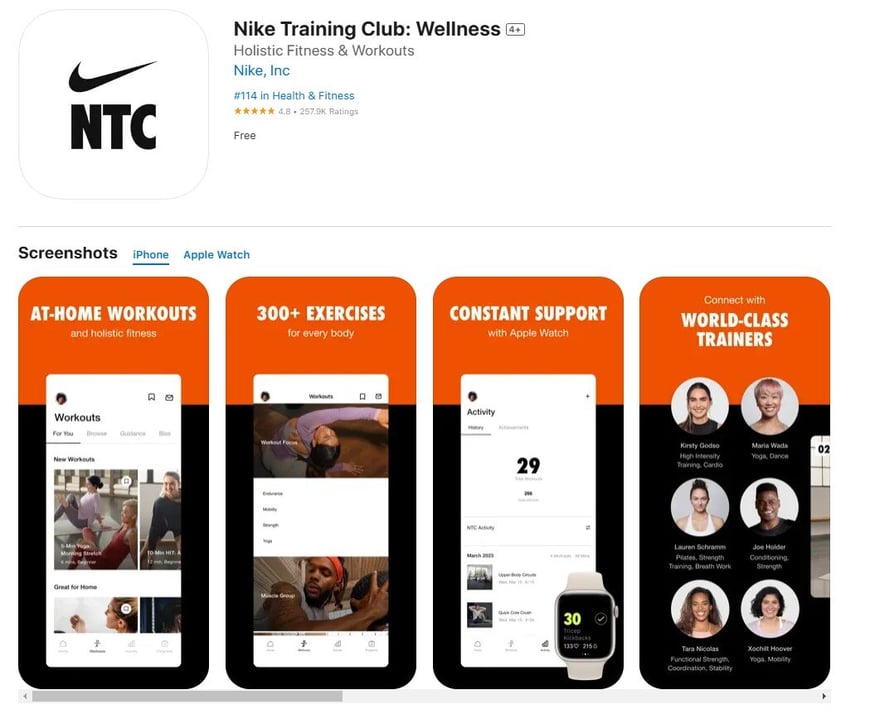
From the App Store (Official website : https://www.nike.com/ntc-app )
NIKE’s digital journey started early. In 1996, just after Windows 95 was launched, they debuted their official website. By 1999, they were pioneering e-commerce. Since 2016, NIKE has aggressively pursued partnerships and acquisitions with tech firms, leveraging apps and software for cutting-edge marketing strategies. Through close engagement with app members, NIKE has built a premium brand experience via digitally connected stores and enhanced customer loyalty.
Furthermore, they’ve ventured into signing sponsorship deals with young aspiring professional athletes who already boast a large following on social media. If these athletes rise to stardom, their influence could be immeasurable. This initiative is also part of NIKE’s broader digital strategy.
· ZARA’s Rapid Response to Trends with Digital Strategies
Founded in Spain, ZARA thrives on its trend-focused approach, launching new designs every two weeks and creating over 12,000 new products annually. With its small-batch production model, ZARA initially manufactures about 25% of projected demand, adjusting output based on sales data. This strategy, combined with robust data analytics and real-time customer insights, allows ZARA to deliver trends swiftly and flexibly.
ZARA’s official app enhances the customer experience with features like "CLICK & FIND," which helps locate products in stores, and "CLICK & TRY," allowing customers to reserve fitting rooms. Additionally, they’ve digitized in-store operations to enable direct-to-customer shipping, ensuring seamless delivery experiences.
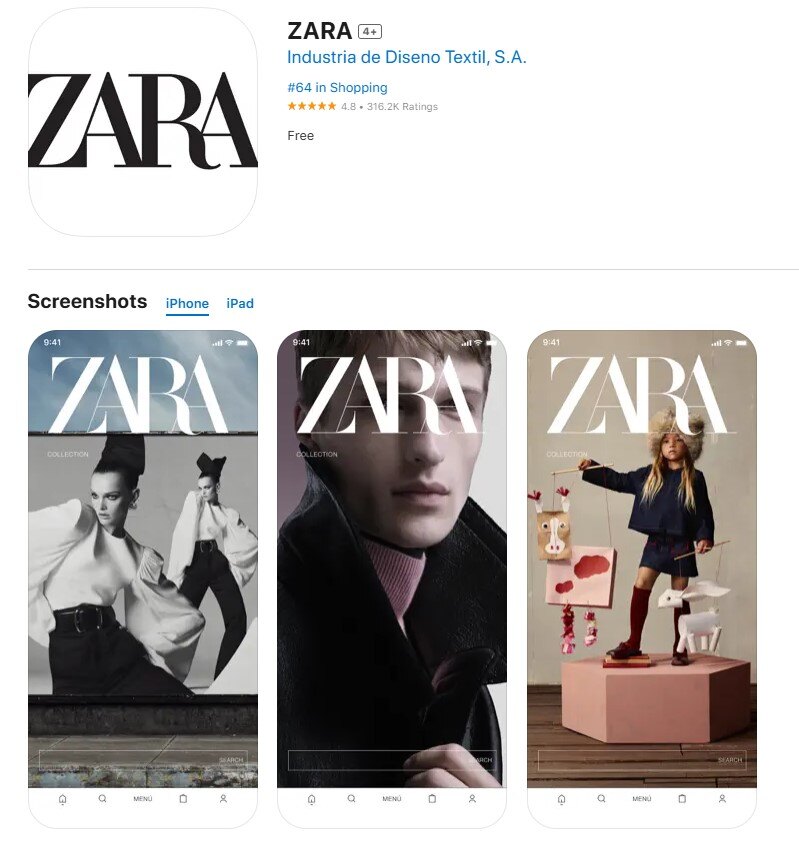
From the App Store (Official website : https://www.zara.com/jp/en/)
ZARA’s proactive digital investments bridge online and offline experiences, exemplifying the OMO (Online Merges with Offline) retail trend. Such innovative store models are expected to expand in the near future.
· SHEIN’s Game-Changing C2M Model and Real-Time Fashion
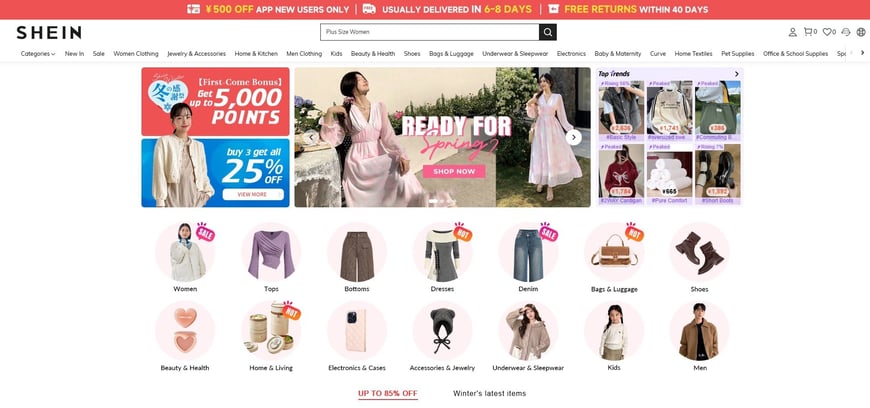
From SHEIN’s official website: (https://www.shein.com/)
SHEIN, a Chinese fashion e-commerce giant, has captured Gen Z with its unbeatable prices and extensive range. Their revolutionary C2M (Consumer-to-Manufacturer) model enables them to complete the journey from concept to product in just three days. SHEIN’s system instantly shares global fashion trends with its designers, who create designs sent to suppliers for limited production and sale. By establishing this system, SHEIN has pioneered a new model of "real-time fashion," drastically minimizing lead times.
Their 300+ partnered supplier factories are connected via a unified cloud-based software system, enabling the implementation of a Consumer-to-Manufacture (C2M) model. This system allows real-time monitoring of factory operations, inventory levels, and even consumer search and purchasing patterns. By analyzing consumer behavior in real time, SHEIN can adjust production volumes almost instantly to meet demand.
By employing advanced AI algorithms for precise demand forecasting and meticulously calculating mechanisms to drive sales, SHEIN continuously utilizes iterative PDCA cycles based on big data to achieve rigorous cost reductions.
The above content is reproduced from “wearware ”
wearware | Supporting the Digitalization of Fashion Design (shimaseiki.com)
0 comments