

Imagine a world of noise and clutter where the products in your home are almost invisible—either seamlessly blending into the background, serving multiple purposes, or quietly disappearing when no longer needed. This is not a scene from science fiction but a lifestyle revolution unfolding in 2026.
Why Are We Pursuing "Invisible" Living?
Amid global political and economic uncertainties and the growing pressures of daily life, more people are beginning to reflect: Do we really need so many things?
Whether by choice or necessity, a new consumer mindset is emerging—pragmatism has become a rational choice, and long-termism is now a wise investment. People are no longer spending to show off but to fulfill genuine needs, embrace the essence of life, and invest in a sustainable future.
The Art of Vanishing Color: The Ultimate Expression of Minimalist Aesthetics
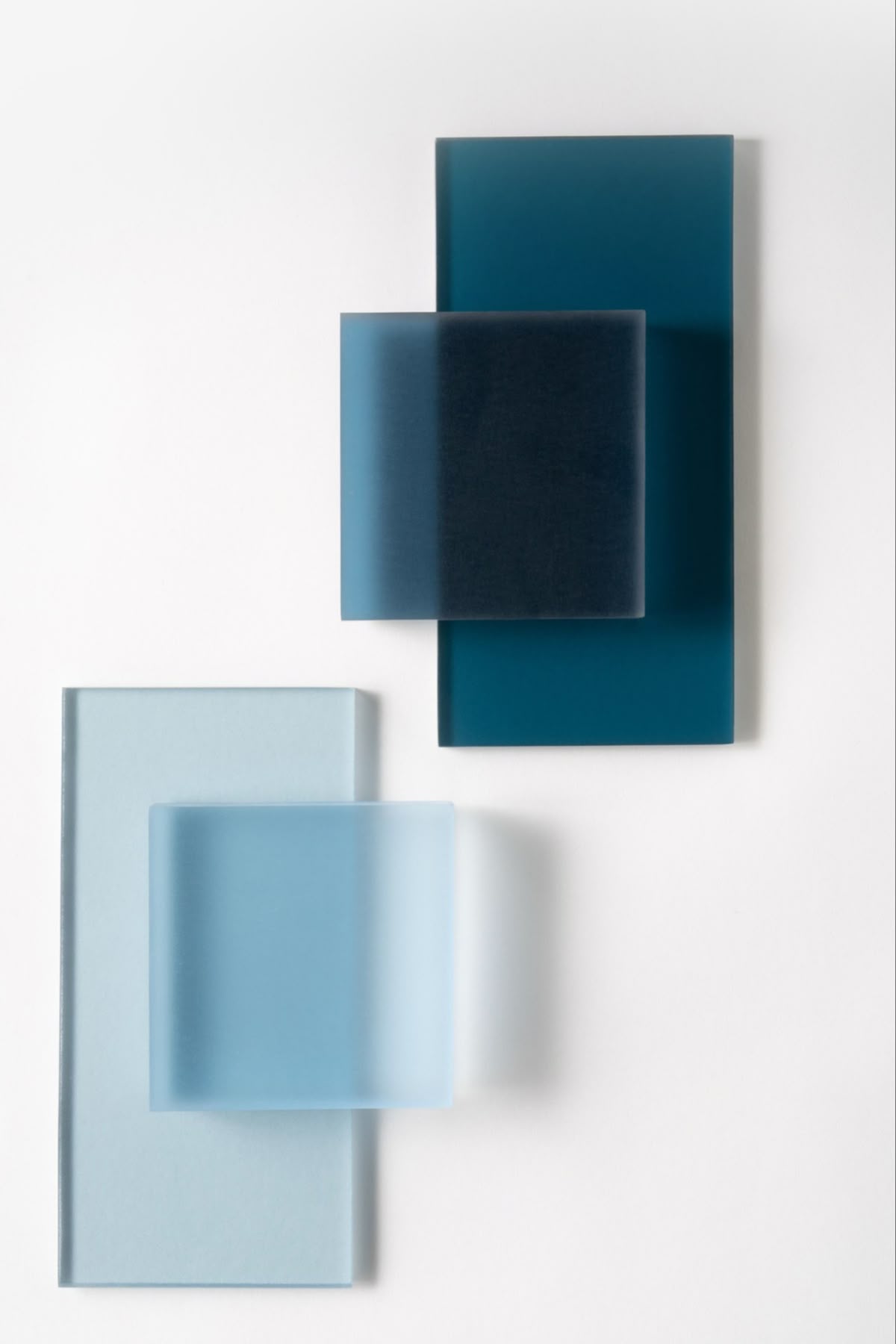
In the philosophy of "invisible design," color is the first to learn the art of disappearing.
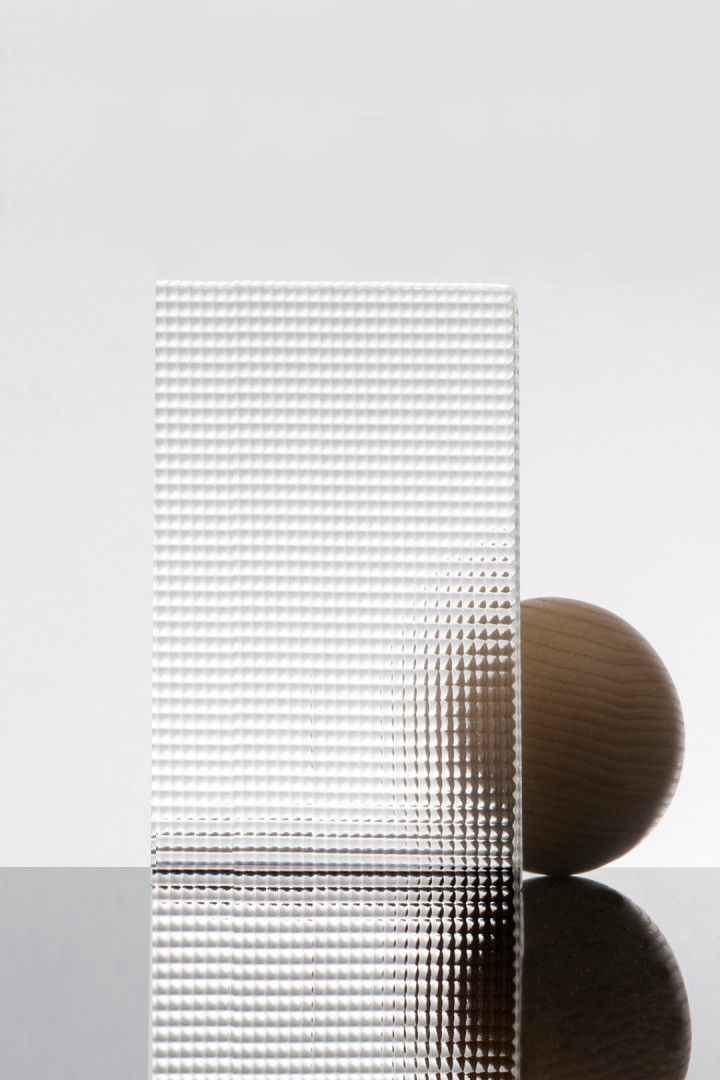
Transparent, translucent, and frosted materials are becoming favorites. Through CMF (Color, Material, Finish) design, products are created with an almost ethereal presence—a vase, a lamp, or a storage container no longer stands out as the "centerpiece" of a room but becomes part of the background.
Frosted textures and matte surfaces add a delicate tactile quality to colorless materials, while lighting and high-reflective finishes create mesmerizing optical illusions, allowing objects to transition effortlessly between the tangible and the intangible.
This is not merely an aesthetic choice but a mindset—when objects no longer compete for attention, the true focus of life can return to the people themselves.
The Wisdom of Function: What Is Invisible Is Often the Most Powerful
If color invisibility is an external simplification, functional invisibility is an internal wisdom.
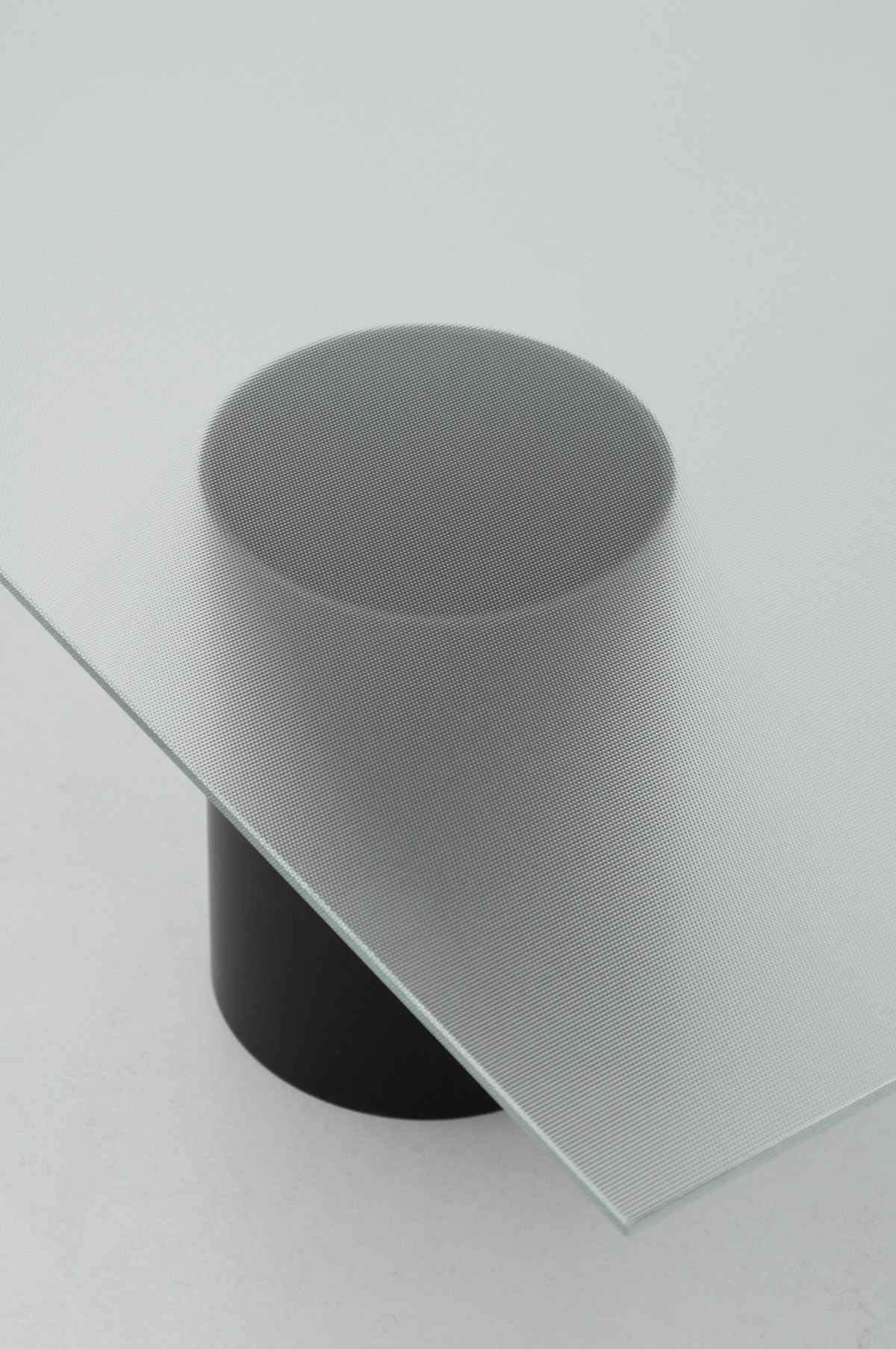
Seamless, built-in designs allow technological products to blend in rather than stand out. Speakers transform into paintings, chargers hide beneath desktops, and smart devices integrate seamlessly into the home environment. Products "disappear" when not in use and effortlessly connect to life when needed.
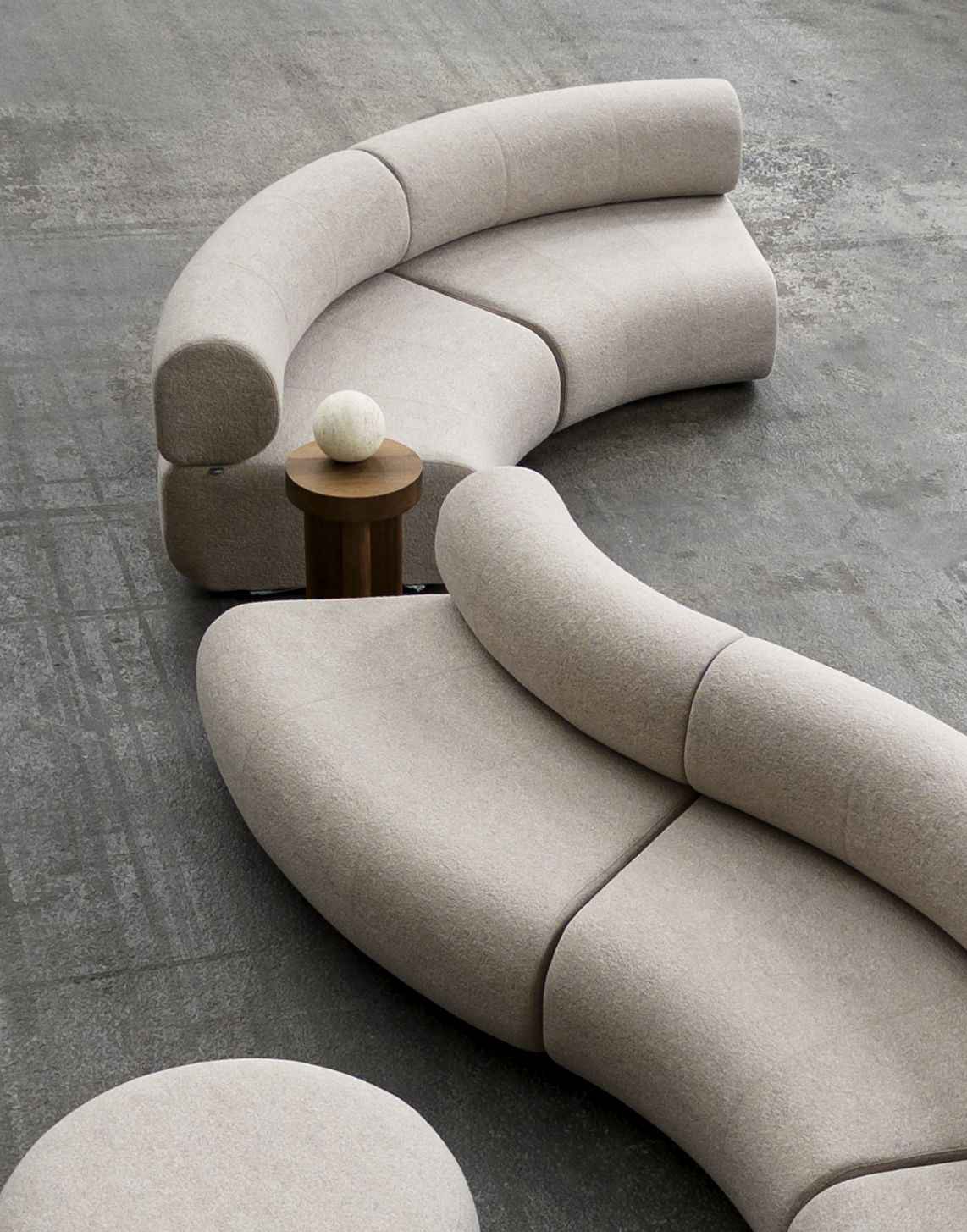
Modular design addresses the practical challenges of compact living. Simple structures, free combinations, and the ability to assemble or disassemble as needed—these products adapt like Lego bricks to ever-changing demands, maximizing the value of every inch of space.
The wisdom of multipurpose functionality redefines value. A table might serve as a workstation, dining surface, and storage unit; a coat could adapt to all seasons with interchangeable accessories. In this era, "multifunctional" no longer means complexity but clever extensions built on simplicity.
The Future of Materials: A Promise to Disappear
The most profound form of invisibility occurs at the end of a product's life.
Compostable materials, biodegradable fibers—these sustainable resources are redefining what it means to "own." Imagine a T-shirt that, after fulfilling its purpose, doesn’t pile up in a landfill but returns to nature, leaving no trace behind.
This "promise to disappear" embodies a profound environmental philosophy: we use but do not possess; we enjoy but leave no burden behind.

As we learn to choose "invisible" products, we may also be learning to silence the unnecessary noise in our own lives, allowing ourselves to hear our genuine needs more clearly and see the true essence of living.
0 comments