

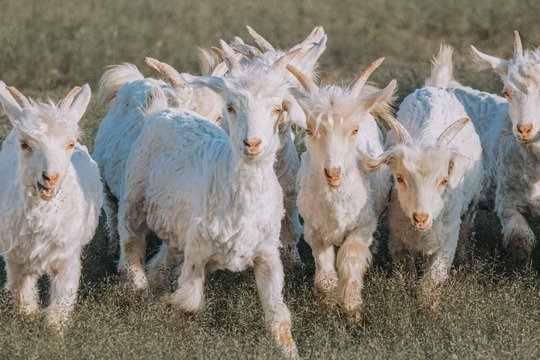
The Aid by Trade Foundation (AbTF) is expanding its Animal-related Animal Welfare Assessment (ARAWA) programme as part of The Good Cashmere Standard (GCS), following the successful implementation of a pilot project designed to provide a more comprehensive evaluation of animal welfare on verified cashmere farms in Inner Mongolia.
Now in its second year, the initiative runs alongside GCS verification audits and assesses animal welfare outcomes at herd level, providing additional insight beyond conventional compliance checks. The programme will continue through 2027, with a gradual increase in the number of farms assessed.
According to AbTF, the number of audited farms participating in the programme increased by 39% in 2025 compared with the previous year. Since the launch of the pilot in 2024, the scope has expanded from 72 to 100 farms, covering nine regions in Inner Mongolia compared with three previously. The number of cashmere goats assessed also increased from 2,024 to 2,298 animals.
The ARAWA methodology evaluates whether management practices and resources provided on farms translate into measurable animal welfare outcomes. Assessment indicators are linked to the internationally recognised Five Domains model of animal welfare and focus on areas including nutrition, environment, health and land management.
AbTF says the independent assessments found the overall health status of animals on participating farms to be good, with no indications of underlying health concerns.
“By deciding to fundamentally integrate ARAWA into our processes, GCS goes beyond the usual standard criteria for assessing animal welfare,” said Marvin Heuduck, Head of The Good Cashmere Standard at the Aid by Trade Foundation.
“We are pleased that the current results confirm the good work on the GCS verified farms. From these results, we can gain new valuable information with which we will further develop animal welfare aspects according to regional and seasonal particularities and in close cooperation with herders and cashmere producers.”
Established in 2019, The Good Cashmere Standard has become one of the largest standards for verified sustainable cashmere from Inner Mongolia. The standard focuses on animal welfare, environmental protection and improving the livelihoods of cashmere goat herders, while providing traceability throughout the supply chain.
The Aid by Trade Foundation, founded in 2005 by entrepreneur Prof Dr Michael Otto, develops and manages sustainability standards including Cotton made in Africa, Cotton made in Africa Organic, the Regenerative Cotton Standard and The Good Cashmere Standard. The organisation works with industry stakeholders, animal welfare experts and conservation specialists to support more sustainable raw material production worldwide.
The above content is reproduced from“Knitting Industry”
0 comments