

What Is Circular Fashion?
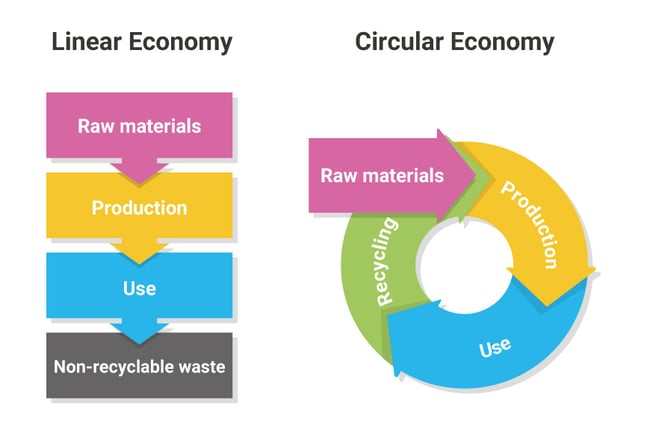
Circular fashion is a new approach that moves away from the traditional “make, use, dispose” model and instead seeks to create a continuous loop throughout the entire lifecycle of clothing. The concept is rooted in the idea of the circular economy, which first gained traction in Europe around 2015. In a circular economy, products are designed and managed in a way that avoids waste at every stage—from production to consumption—while keeping materials and garments in use through recycling and reuse. The goal is to reduce resource depletion, minimize environmental impact, and even regenerate nature. Circular fashion applies these principles directly to the apparel industry, reshaping how we design, produce, and wear clothes.
Key Features of Circular Fashion
In a circular economy, the focus shifts away from a “throwaway” culture and toward the sustainable use of resources. This means that even after a product is no longer in use, its materials and components are expected to find a second life—transformed and reborn as part of the next product.
The Three Principles of Circular Fashion (Circular Economy)
- Design out waste and pollution
- Keep products and materials in use
-
Regenerate natural systems
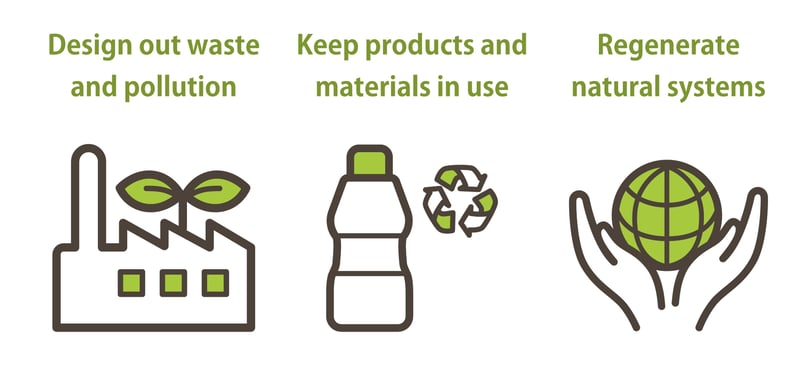
In the fashion industry, this translates into using durable materials, designing products with recycling in mind, and implementing systems to collect and reuse clothing once it has reached the end of its life.
The 3Rs—"Reduce" (cutting down waste), "Reuse" (using items again), and "Recycle" (turning materials back into resources for new products)—are based on the assumption that waste will inevitably be created, with the goal of minimizing and reusing it. Circular fashion, however, differs in a key way: it aims to design products so that waste is not generated in the first place.
Steps Toward Achieving Circular Fashion
For companies to successfully adopt circular fashion, they need to put concrete strategies into place.
Rethinking the Supply Chain
It is crucial to review the entire supply chain and incorporate sustainable materials and ethical production methods. For example:
- Work with local suppliers to reduce environmental impact such as CO₂ emissions from transportation
- Use biodegradable or renewable materials
- Increase supply chain transparency to ensure compliance with labor and environmental standards
- Utilize data on sales and inventory to improve demand forecasting and production planning, preventing waste from unsold stock
For more on eco-friendly materials such as biodegradable and renewable options, be sure to check out this article.
What Are "Eco-Friendly" Materials? Sustainable Choices Companies Can Make in Their Manufacturing
The global environment is undergoing rapid change and is steadily worsening. In this context, terms like "sustainable" and "upcycle" have gained prominence. Recently, more products labeled as "eco-friendly" can be seen on store shelves. In this article, we’ll explore eco-friendly initiatives, the materials companies can use for manufacturing, and the steps individuals can take as consumers.
Introducing Recycling Programs
By implementing collection and recycling programs for used clothing, companies can extend product lifecycles and reduce waste. Effective approaches include:
- Establish systems to buy back or collect unwanted clothing, then repair and resell items or recycle them as raw materials
- Offer programs that allow parts of a product to be replaced or upgraded, extending its overall lifespan
Adopting Sustainable Design
It is important to integrate sustainability from the design stage, creating products that minimize environmental impact while being durable and repairable. This approach extends product lifespans and helps prevent waste.
- Incorporate virtual sampling processes to minimize resource use during design and production
- Choose durable materials and designs
- Create adjustable designs that can grow with the wearer for longer use
- Provide repair services to extend the life of garments
Initiatives for Raising Awareness Among Industry Players and Consumers
It’s essential to communicate the importance of circular fashion to consumers and raise awareness of recycling and ethical consumption. This helps guide purchasing behavior toward more sustainable choices.
- Host workshops and seminars on circular fashion
- Use social media to share practical tips and benefits of circular fashion
- Collaborate with eco-conscious brands to run joint campaigns
- Add labels or tags that allow consumers to see how products were made
Circular fashion is attracting attention as an initiative for sustainable fashion that is friendly to the global environment. Well-known brands and companies all over the world are already actively implementing concrete initiatives, such as using sustainable materials and setting up collection and reuse programs for unwanted clothing. However, in order to further lead circular fashion to success, it is necessary to review the entire supply chain business model—from production to reuse of clothing—and evolve it into a circular society. Along with raising consumer awareness, it is becoming increasingly important for companies to take more proactive steps and drive transformation across the entire fashion industry.
The above content is reproduced from “wearware ”
0 comments