

When we speak of turning waste into value, we tend to highlight the well-known success stories. Yet around the world, even more remarkable initiatives are quietly redefining the worth of materials.
Invisible Resources Beyond Plastic
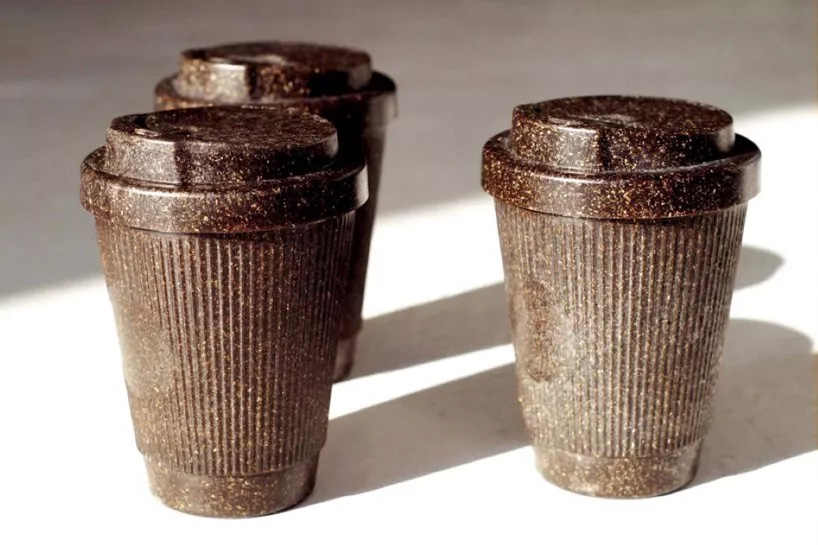
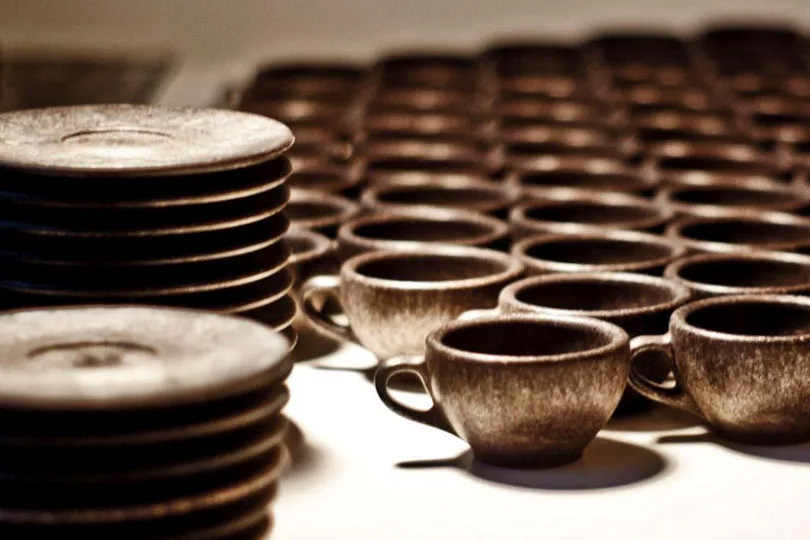
Coffee grounds are no longer mere kitchen scraps. A German firm, Kaffeeform, transforms them into fully compostable tableware whose heat resistance rivals conventional plastics—yet it breaks down naturally within six months. Best of all, each cup and plate retains a gentle coffee aroma, adding an extra touch of warmth to every meal.
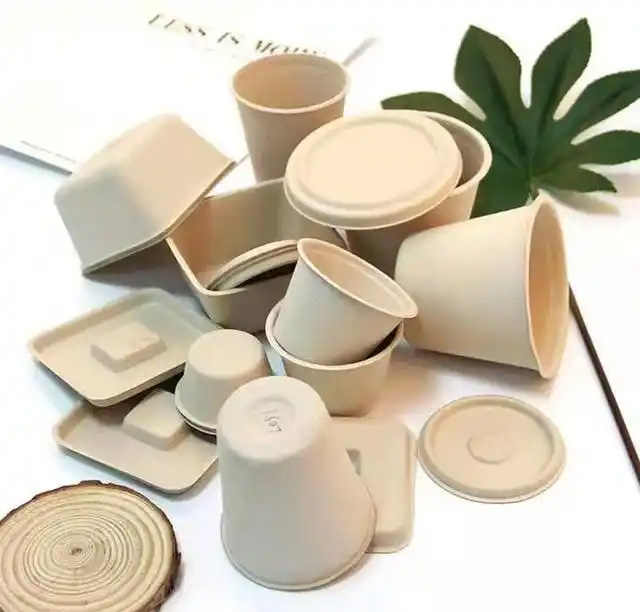
Agricultural waste is also getting a second life. An Indian start-up collects bagasse—the fibrous residue left after cane-sugar extraction—and, through a proprietary process, turns it into tough, protective packaging that replaces polystyrene foam. Cheap to produce and strong enough to bear heavy loads, it is already used by several local e-commerce platforms to ship electronics safely.
A Revolution in Construction Waste
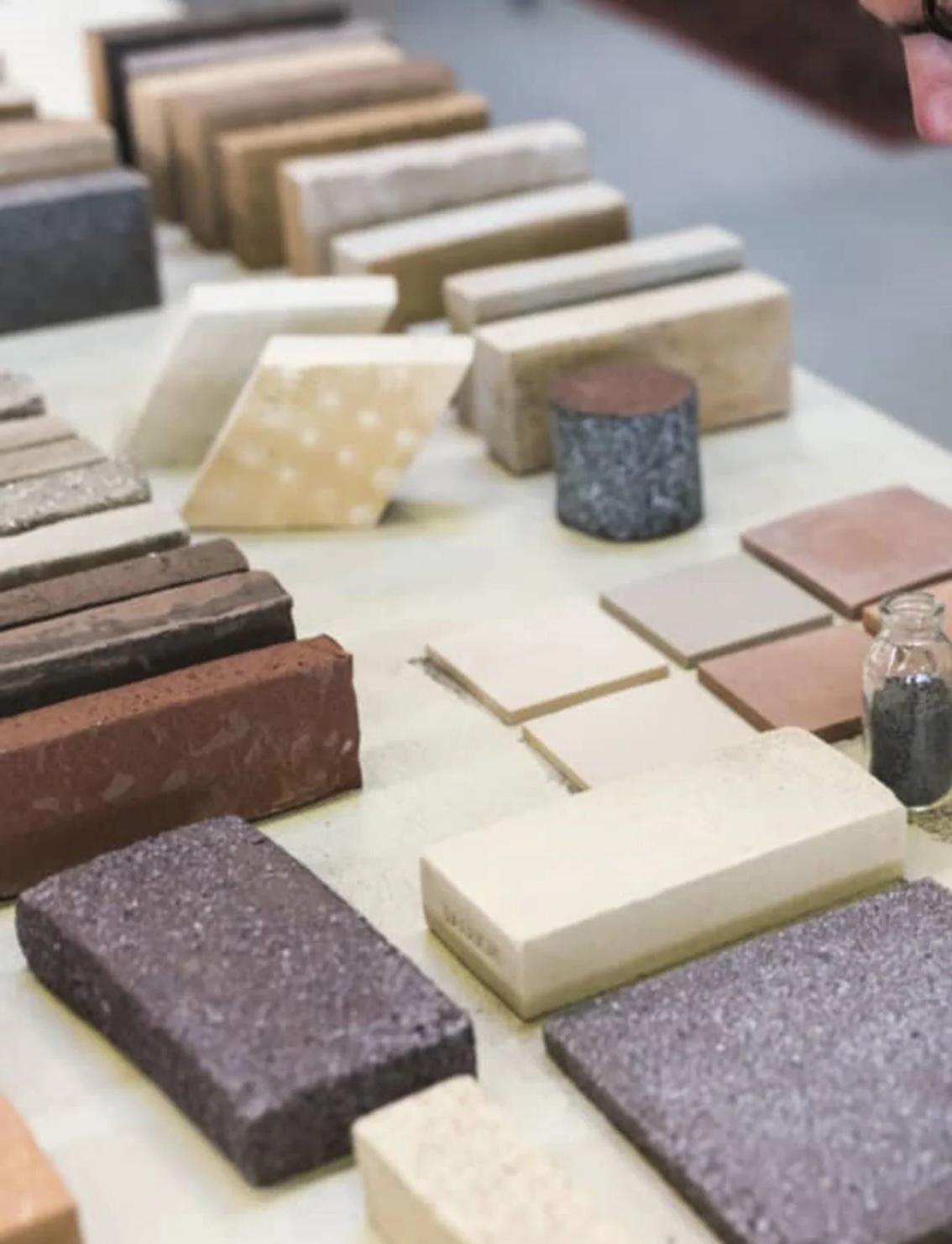
Demolition debris is shedding its image as an urban burden. Dutch architects now gather broken bricks and waste concrete from razed buildings, sieve and wash the fragments, then bind them with eco-friendly adhesives to cast new masonry blocks. These blocks preserve the patina and character of their former lives, offer excellent thermal performance, and are being used to build low-cost social housing.
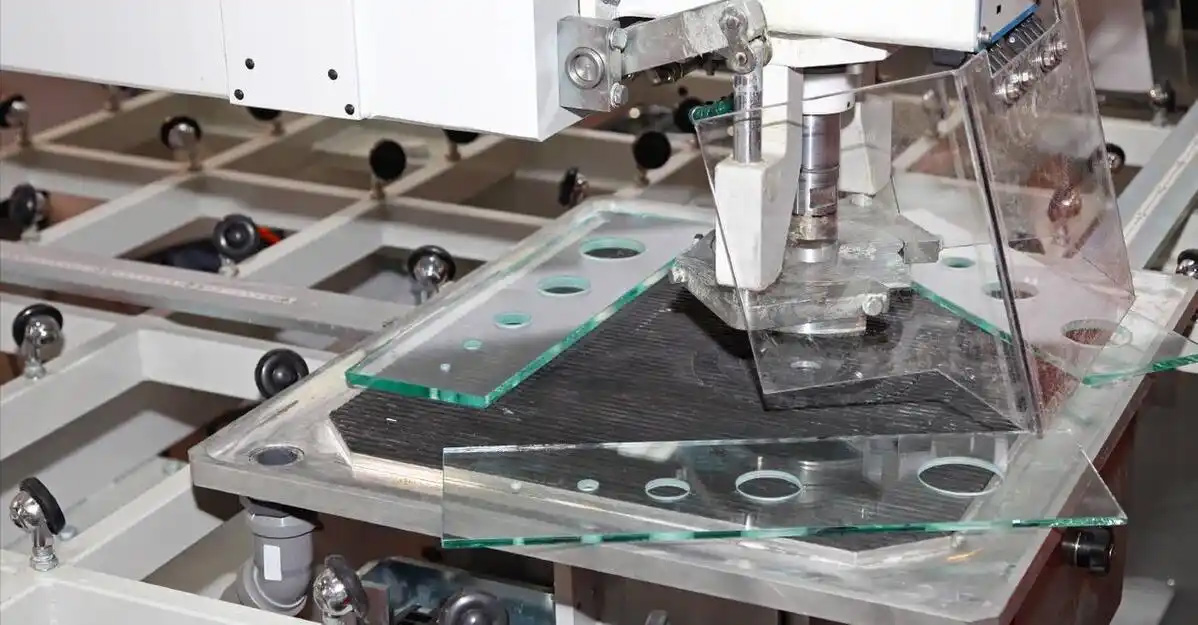
Glass waste has found fresh purpose too. In Finland, a glassworks has pioneered a process that melts post-consumer cullet directly into building-grade insulation batts. Fire-resistant and 30 % more effective at sound dampening than conventional products, the insulation is already installed in several green-building projects.
Second Lives for Everyday Objects
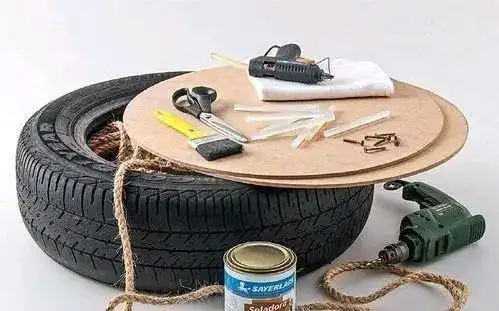
Used tires are rolling into new territory. Beyond the familiar rubber-chip running tracks, Brazilian designers slice old tires and fuse them with recycled fabric to create rugged, industrial-style sofas. The seats are both durable and tunable in firmness, making them unexpected favorites in the home-furnishing market.
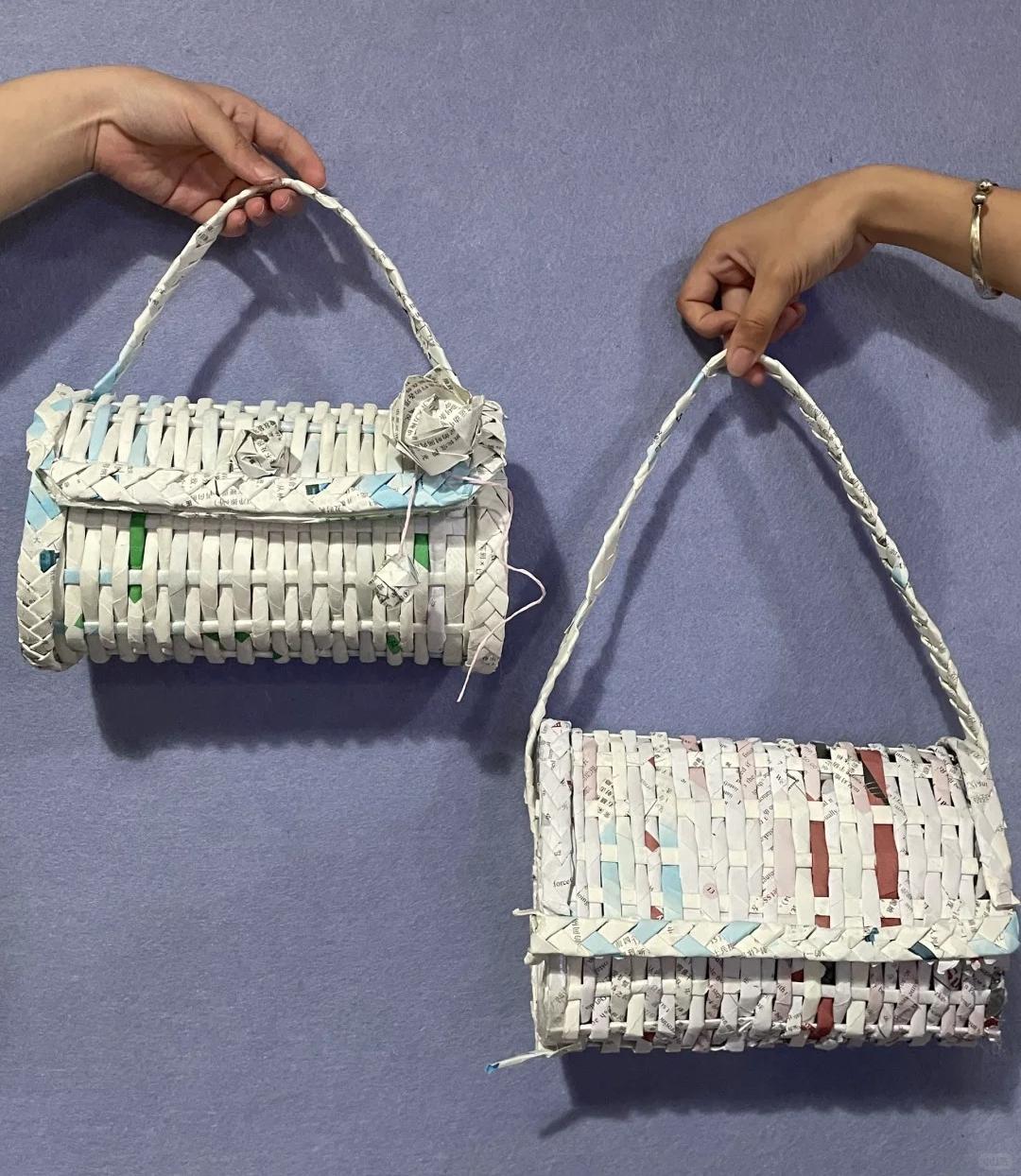
Even yesterday’s newspapers can become tomorrow’s fashion statement. Thai artisans disinfect and pulp discarded papers, then press and dye the slurry into lightweight panels. From these panels they mold chic handbags that can be hand-painted with traditional motifs—eco-friendly accessories that carry cultural stories as well.
These innovations remind us that the value of waste has never truly been lost. When we view every “discard” through a new lens, we uncover immense hidden potential. From industrial off-cuts to household refuse, from construction leftovers to farm by-products, every material can be reborn through creativity—and become a cornerstone of sustainable development.
0 comments