

Overview:
In today's diverse consumer age, cross-industry collaborations between brands have become the new norm. From fashion to food, technology to entertainment, industries are seeking innovative partnership models to capture consumer attention and enhance brand value. This article will delve into these cross-industry collaboration strategies, opportunities, and challenges, revealing how they shape our shopping experiences and lifestyles.
Driven by the experience economy, retailers are actively seeking cross-industry collaborations with the food, music, and hospitality sectors, aiming for significant growth over the next two years. These collaborations not only enrich the consumer experience but also resonate with consumers on cultural and emotional levels, thereby enhancing the brand's authenticity and influence. Through cross-industry collaboration, retailers can break traditional marketing molds, creating unique brand stories and consumer experiences that not only strengthen brand loyalty but also open new revenue streams.

Market Expansion and Revenue Growth
Data Support: Mastercard's research indicates that as of March 2023, visitors' spending on experiences surged by 65% compared to 2019, while spending on goods only increased by 12%. This trend signals to retailers that investing in collaboration projects creating unique experiences may yield higher returns.
Case Analysis: For instance, retailers in the Asia-Pacific region have ignited a wave of co-branded products by collaborating with the food industry. A DT Business Watch survey in China revealed that over 80% of respondents had purchased co-branded coffee or beverages in 2023, showing high consumer acceptance. This heightened consumer interest presents a significant opportunity for retailers to attract more customers, boost sales, and gain a competitive edge.
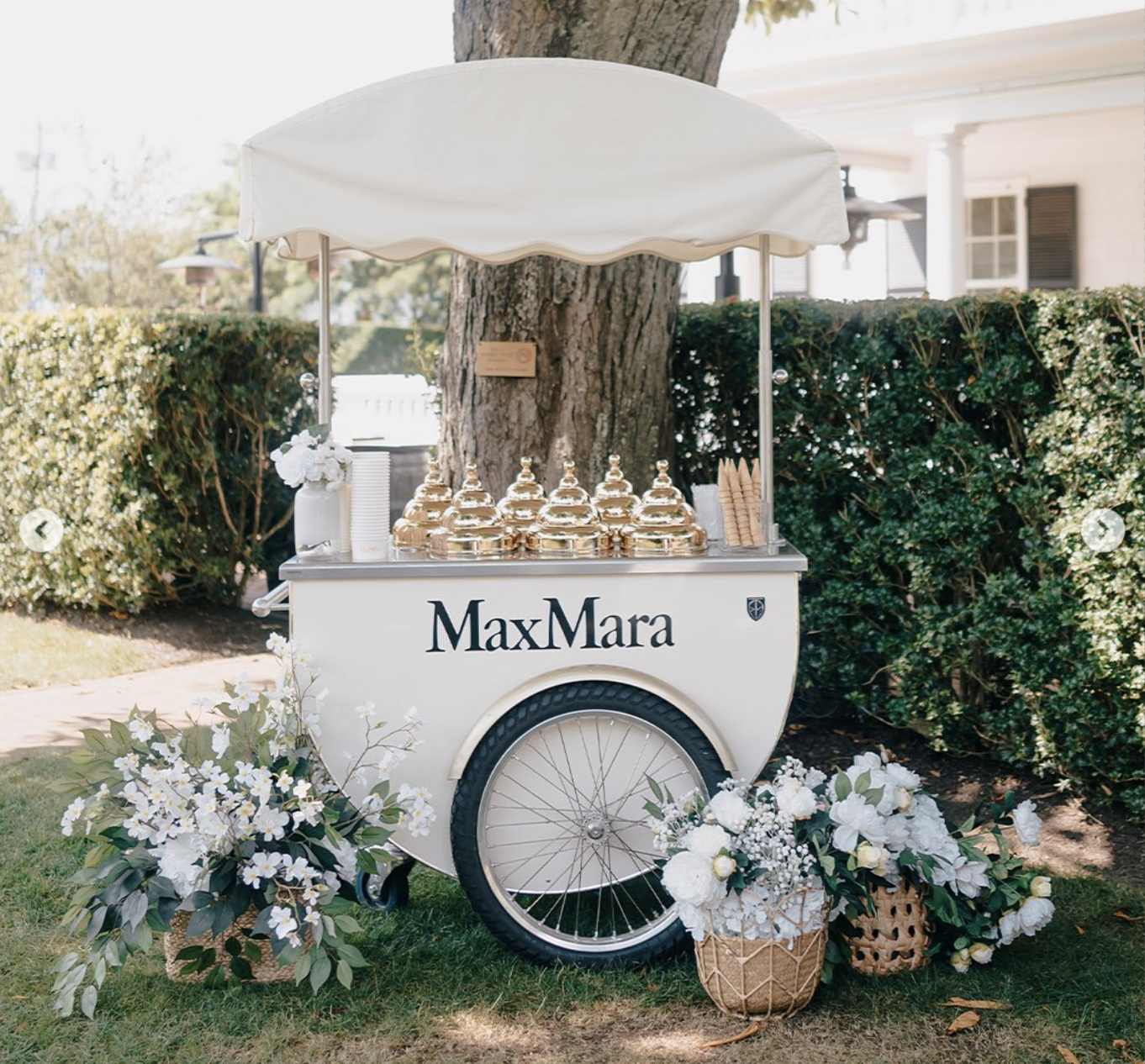
Brand Differentiation and Consumer Engagement
Data Support: McKinsey's research points out that retailers currently earn less than 10% of their profits from "beyond retail" opportunities, such as providing adjacent services or leveraging customer data. However, this proportion is expected to grow to 40% by 2027. This forecast highlights the vast potential for retailers, especially in providing value-added services and data-driven personalized experiences.
Case Analysis: As consumers pursue unique experiences, collaborations between fashion brands and the hospitality industry have become a new trend. The global luxury hotel market is projected to reach $107.7 billion by 2024, offering retailers immense investment opportunities and brand exposure platforms. Through collaborations with luxury hotels, retailers can enhance their brand image and reach a more upscale consumer segment, increasing the sales value of their products and services.

Challenges and Responses in Cross-Industry Collaboration
Facing the challenges of cross-industry collaboration, brands need to clarify collaboration goals, choose suitable partners, and develop effective risk management strategies. The rationality of the collaboration is key to success; brands must ensure that collaboration projects bring substantive value to both parties, not just short-term market effects.
Risk assessment and management are also essential, with brands needing to prepare for various risks and develop corresponding measures to ensure smooth collaboration progress and long-term stability.

Collaboration Rationality and Risk Assessment
Strategy Suggestions: Brands should focus on collaboration rationality, avoiding novelty for its own sake. They must assess and manage potential risks to ensure smooth collaboration. For example, in collaborations with the fintech sector, brands must monitor regulatory changes to avoid legal risks. Additionally, brands should consider whether the collaboration aligns with their brand image and market positioning and meets target consumer needs and expectations.
Partner Selection
Strategy Suggestions: When selecting partners, brands should consider their market position, brand reputation, and potential for resource sharing and complementary advantages. Smaller brands, for example, can increase exposure and understand regional trends through collaborations with startups like Minoan. Brands should also consider partners' innovation capabilities and market responsiveness to ensure collaboration projects adapt to market changes and meet new consumer demands.

Marketing Strategies for Cross-Industry Collaboration
Brands need creative and targeted marketing strategies to maximize the value of cross-industry collaborations. By partnering with popular cultural phenomena, brands can attract consumers of all ages, enhancing market competitiveness and consumer loyalty. Brands should also leverage social media and digital marketing tools to expand the influence of collaboration projects and attract more attention and participation.
Investing in the Happiness Economy
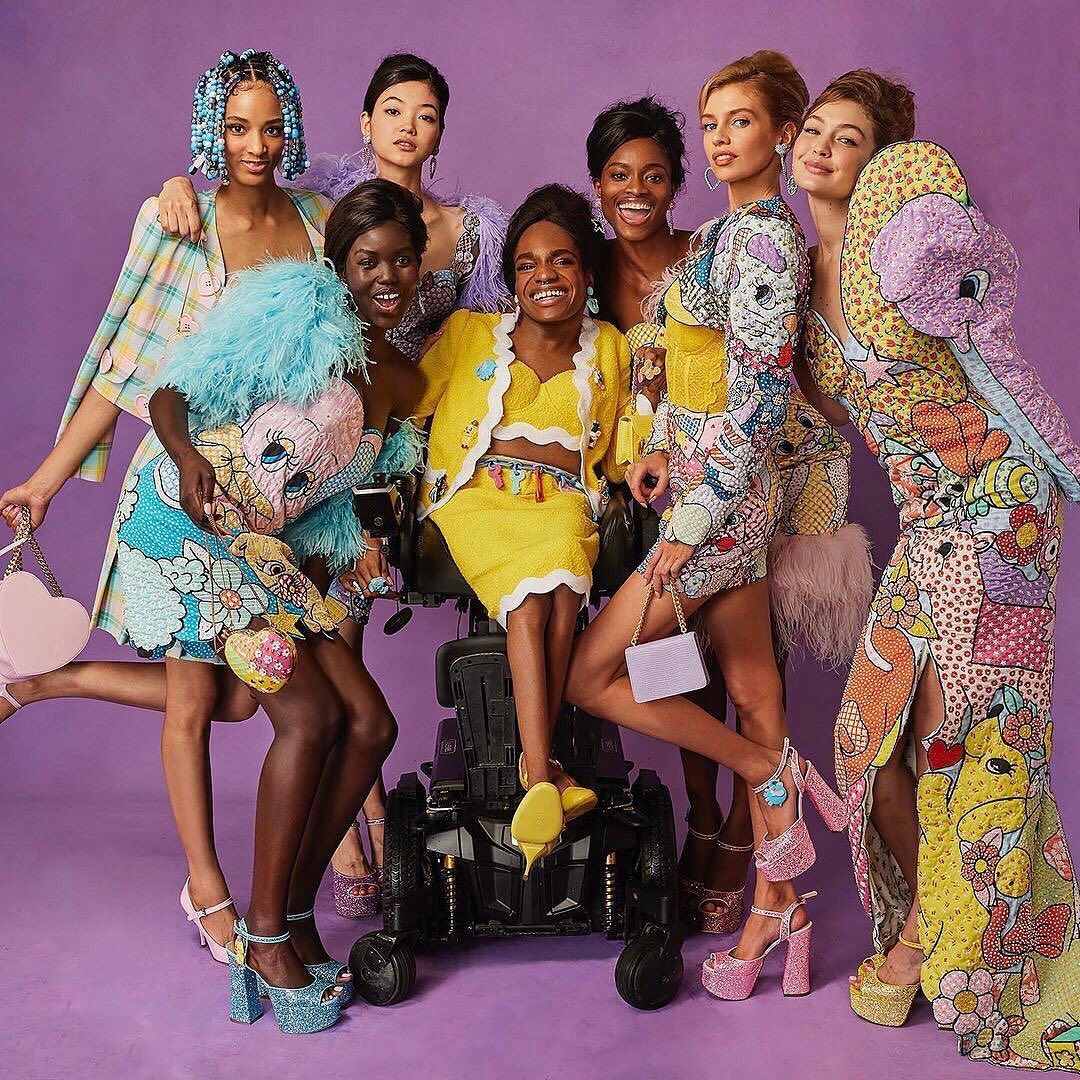
Strategy Suggestions: Brands should seize non-traditional retail collaboration opportunities, such as with event organizers or media, to enhance consumer happiness and entertainment. For example, collaborations with popular cultural phenomena like the Fendi x Nintendo Friends of Fendi collection can attract consumers of all ages. Additionally, brands can host unique experience events, such as pop-up stores and themed exhibitions, to provide one-of-a-kind shopping experiences, enhancing brand attractiveness and market competitiveness.

Establishing New Retail Hotspots
Strategy Suggestions: Retailers should collaborate with hotel and tourism brands to explore emerging markets and break through traditional marketing limitations. For example, Louis Vuitton's first airport lounge at Hamad International Airport in Qatar offers unique experiences and exposure opportunities. Such collaborations allow retailers to enhance their brand image and reach a broader consumer base, increasing the sales value of their products and services.

Leveraging the Food Trend
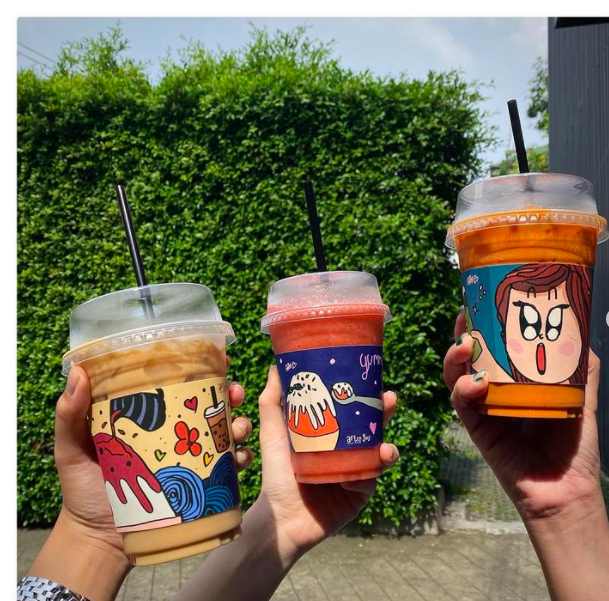
Strategy Suggestions: Brands should collaborate with food and beverage companies to capitalize on the food trend and increase brand visibility. For instance, Fendi's collaboration with HeyTea through co-branded beverages and a signature tea house successfully attracted Gen Z consumers. Such collaborations enable brands to expand market influence and attract more young consumers with innovative products and experiences.
Engaging in Soft Marketing
Strategy Suggestions: Facing increasingly discerning consumer purchasing decisions, brands should offer free experiences or services to enhance the appeal of collaborative products. For example, Saks Fifth Avenue's collaboration with Marriott International offers a personalized shopping concept, enhancing the consumer shopping experience. Such services not only improve consumer satisfaction and loyalty but also attract more potential customers through word-of-mouth.

Conclusion
Cross-industry collaboration brings new growth opportunities for the retail industry. By innovative collaboration models and targeted marketing strategies, brands can enhance their market competitiveness and consumer loyalty. In future developments, we anticipate seeing more creative and impactful collaboration cases that bring a more diversified and personalized shopping experience to consumers.

Credit:
- Mastercard study data sourced from the official Mastercard website.
- McKinsey research data sourced from McKinsey's official market analysis reports.
- DT Business Watch survey data sourced from DT Business Watch's official reports.
- Global luxury hotel market value projection data sourced from relevant industry analysis reports.
- Collaboration case examples sourced from official brand news releases and social media promotions.
0 comments