

Behind the booming fashion industry, environmental issues in the dyeing process have become increasingly prominent. Traditional dyeing techniques not only consume vast amounts of water but also generate a significant amount of wastewater and carbon dioxide emissions, placing a heavy burden on the environment. However, with the growing awareness of environmental protection and the emergence of innovative technologies, the dyeing industry is undergoing a green transformation, injecting new vitality into the sustainable development of the fashion industry.

1. Water Conservation: Reducing Resource Waste from the Source
Nearly two-thirds of the global population faces severe water shortages, while fabric dyeing is the second-largest source of water pollution worldwide. In response to this dire situation, water-saving and waterless dyeing technologies have emerged as the focus of innovation in the dyeing industry.
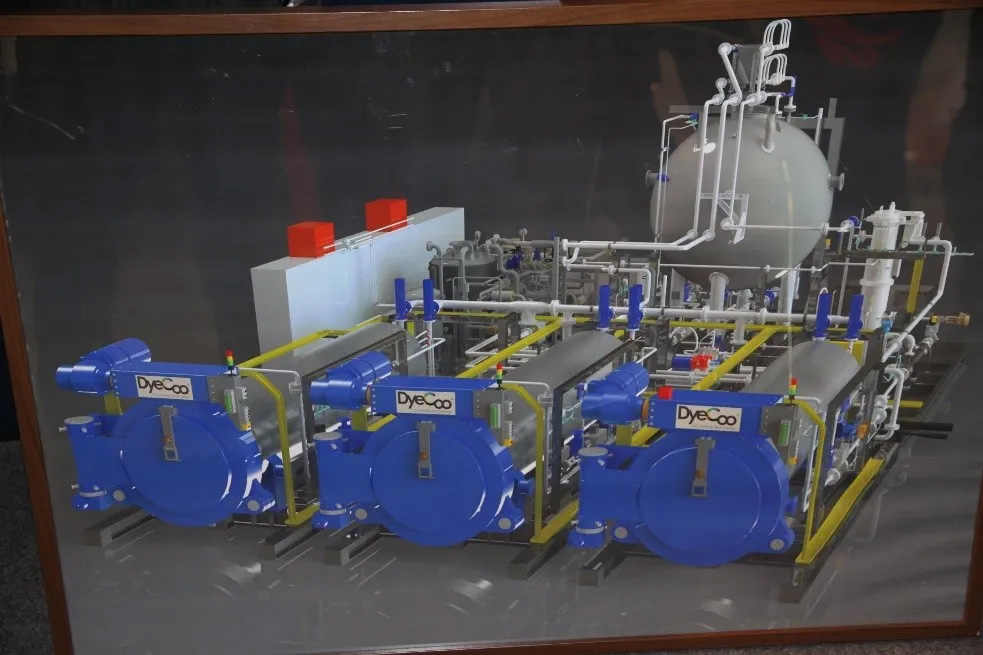
DyeCoo, a Dutch company, has pioneered supercritical carbon dioxide (CO₂) dyeing technology. This method uses CO₂ in a supercritical state to dye fabrics, eliminating the need for water and reducing chemical usage. This closed-loop system recycles CO₂, resulting in zero wastewater.
2.Energy Conservation: Reducing Carbon Footprint to Protect the Planet
The fashion industry consumes a large amount of energy in its production process, from fiber production to garment manufacturing, with each step having an environmental impact. To reduce carbon emissions, brands and manufacturers are increasingly adopting energy-saving technologies.
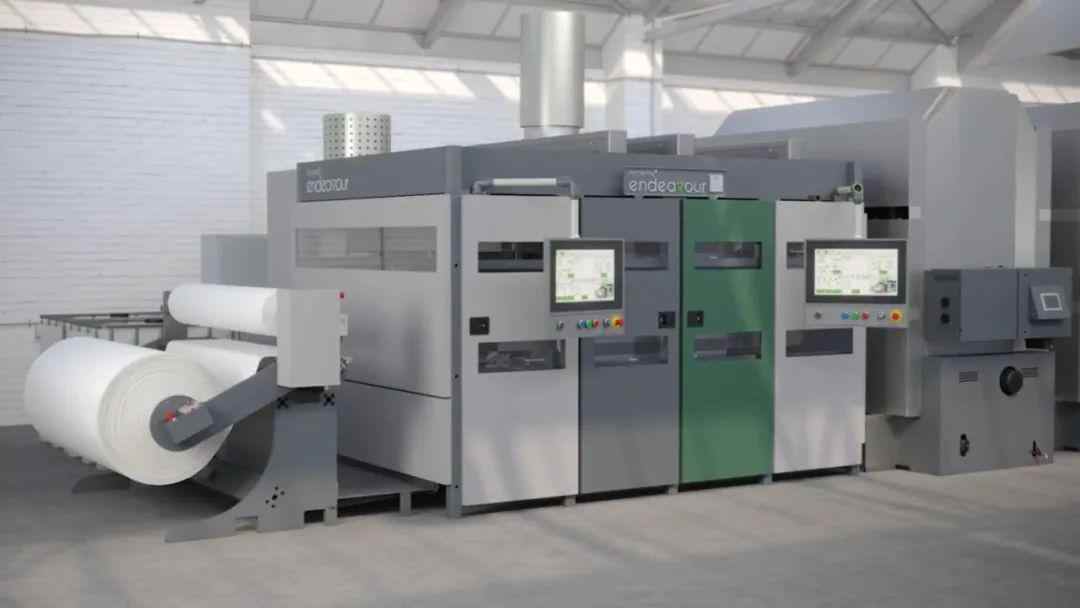
Alchemie Technology, a UK-based startup, has introduced a digital dyeing machine that significantly reduces water and energy use in fabric dyeing. Their technology jets the exact amount of dye onto the textile surface using precise digital application, eliminating the need for water and reducing energy consumption.
3. Waste Recycling: Turning Waste into Treasure to Promote a Circular Economy
In the fashion industry, a large amount of fabric waste and discarded clothing is thrown away, causing serious resource waste and environmental pollution. However, some innovative companies have seen opportunities in this area and have developed technologies to convert waste into pigments, providing new ideas for the development of a circular economy.
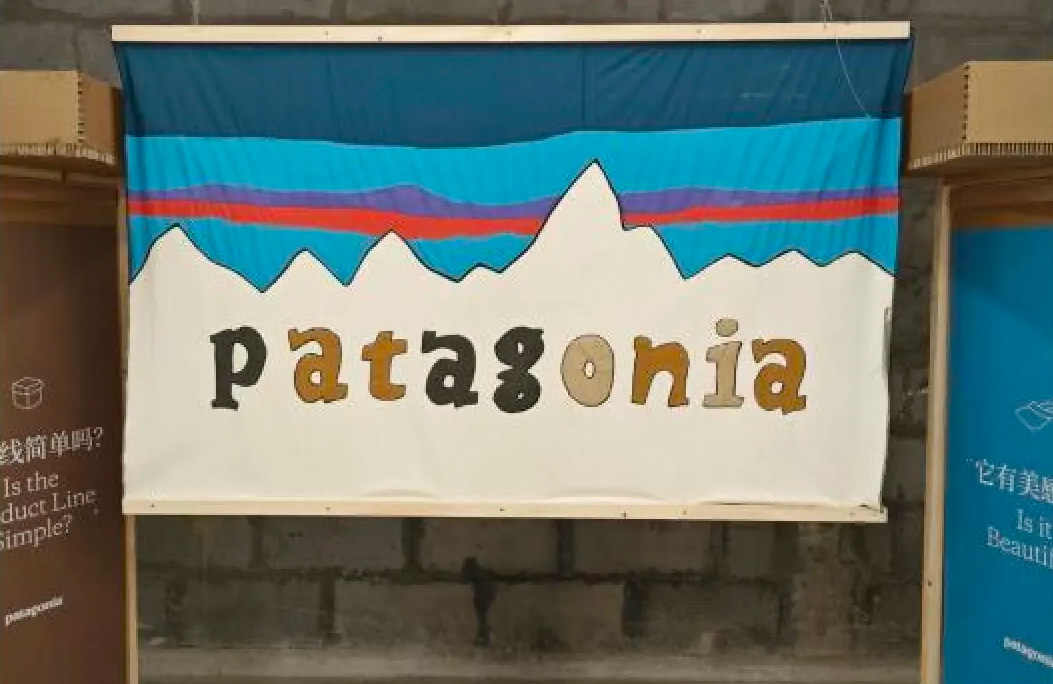
Patagonia uses recycled plastic bottles to produce polyester fibers for its clothing. This material not only reduces the environmental pollution caused by plastic waste but also significantly lowers the water consumption in the production process. By recycling and reusing materials, Patagonia is able to substantially reduce the amount of water required in production, without compromising the quality of its products.
4. Natural Dyes and Biotechnology: Returning to Nature and Embracing a Green Future
With increasing consumer attention to environmental protection and health, natural dyes and biotechnological dyes are gaining favor. The Chinese organic clothing brand “PurCotton” has partnered with natural dye suppliers to use natural plant and mineral dyes for small-scale production. The resulting clothing not only has unique colors and textures but also aligns with the concepts of environmental protection and sustainable development. These natural dyes, sourced from nature, are biodegradable and environmentally friendly, while also providing consumers with healthier and safer choices.
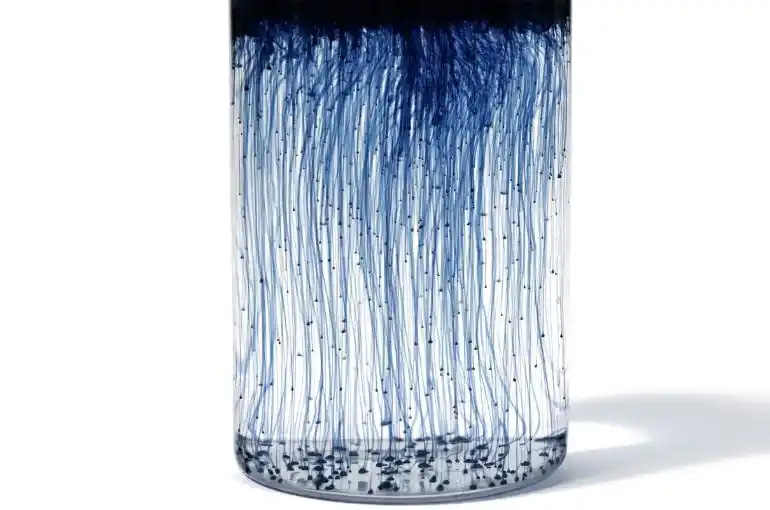
The development of biotechnological dyes has also brought new breakthroughs to the dyeing industry. The U.S.-based sustainable bio-based dye startup Huue uses biotechnology to convert sugar into sustainable dyes as an alternative to traditional toxic chemicals. The company studies the color synthesis mechanisms found in nature and employs patented bioengineering techniques to cultivate microorganisms, replicating the natural dye production process.
5. Collaboration and Innovation: Working Together to Drive Industry Change
In the process of environmental innovation in the dyeing industry, cooperation among companies is crucial. By establishing close partnerships with dye suppliers, equipment manufacturers, and research institutions, and jointly conducting research and innovation activities, the promotion and application of new technologies can be accelerated, driving the sustainable development of the entire industry.
In addition, brands and manufacturers should actively participate in activities of industry associations and environmental organizations to jointly develop industry standards and regulations, promoting the sustainable development of the entire industry. “SHEIN” has launched the Energy Efficiency Leaders program, which promotes universal energy-saving technologies such as steam condensate recovery and lighting management through the “Energy Saving Measures Implementation Guide.” Participating suppliers have successfully reduced water usage by 18.2% and wastewater discharge by 15.4% through customized solutions, achieving dual goals of energy saving, pollution reduction, and quality improvement.

Environmental innovation in the dyeing industry is not only a necessary response to environmental challenges but also a key to the sustainable development of the fashion industry. Through water conservation, energy saving, waste recycling, the application of natural dyes and biotechnology, and cooperation and innovation among companies, we can hope to achieve a greener and more sustainable dyeing process. This will allow the fashion industry to meet people's aesthetic needs while also contributing to the future of the planet.
0 comments