

You are willing to pay a premium for sustainability, but are those "green" labels truly trustworthy? According to data from the European Environment Agency, up to 39% of sustainability claims in the fashion industry are false or misleading. The good news: In 2026, a series of new regulations are making "greenwashing" increasingly difficult to get away with.
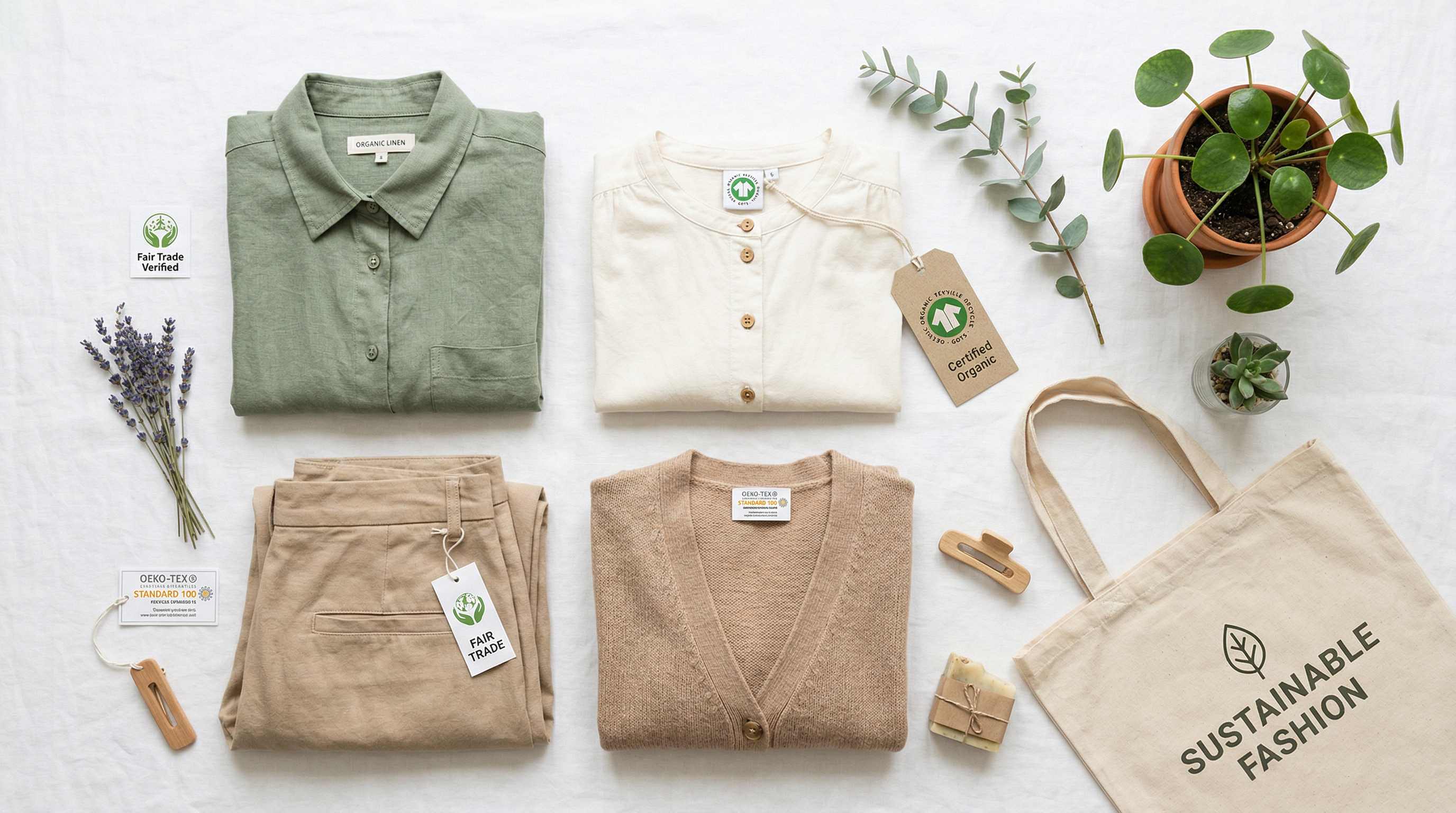
1. Regulation is Here: No More Vague "Green" Claims
2026 marks a critical turning point in global fashion regulation. Enforcement of the EU Green Claims Directive (Directive 2024/825) officially begins in September 2026. It strictly prohibits brands from using vague terms like eco-friendly, green, or sustainable unless they can provide specific, certified proof. Furthermore, as of July 2026, large enterprises are banned from destroying unsold apparel.
Inniverse Pro-Tip: When a brand claims to be green, ask directly: "Which third-party certifications do you hold for this specific product?"
2. Look for the "Big Five" High-Value Certifications
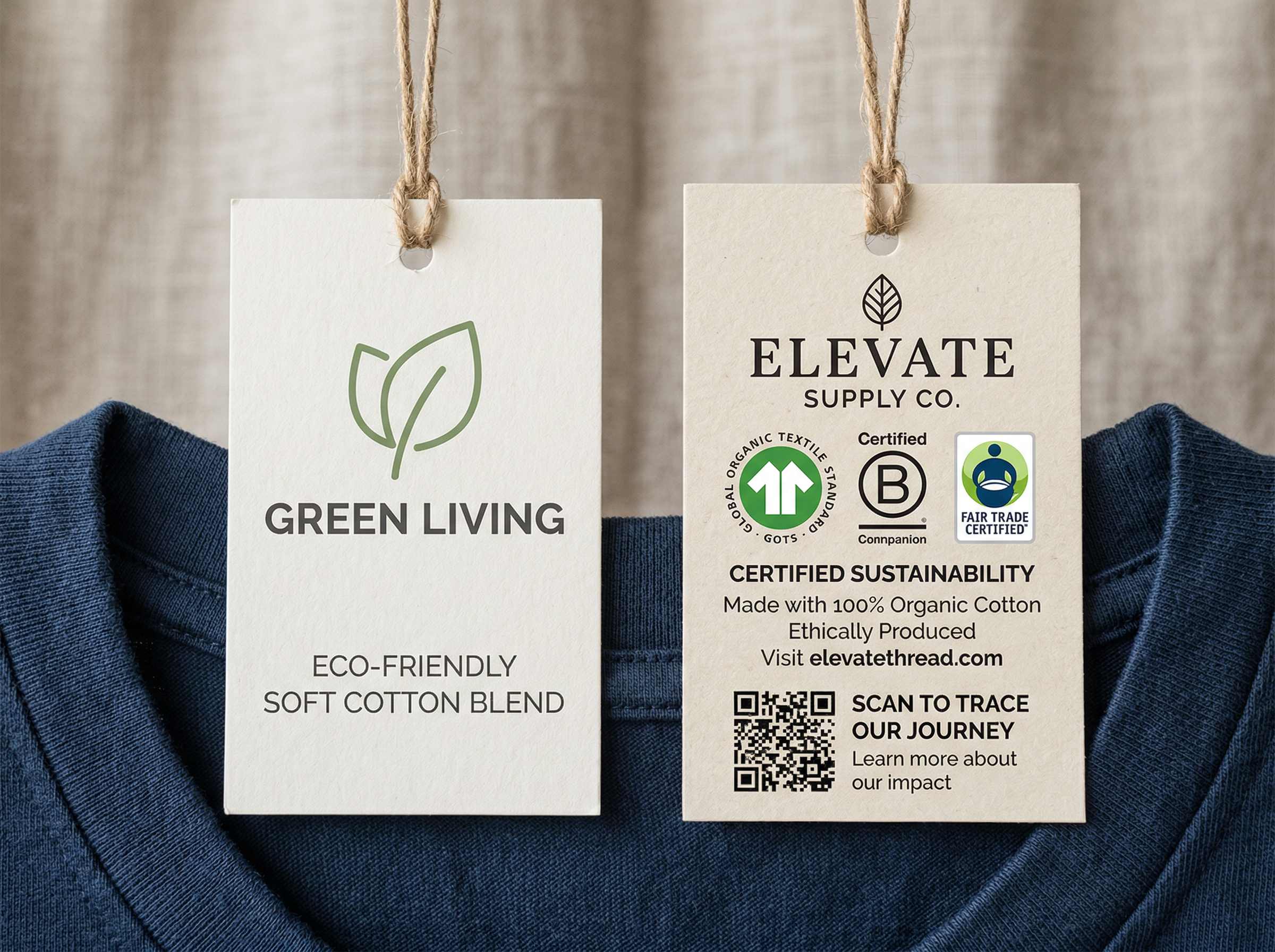
To ensure your sourcing meets global compliance standards, look for these logos on our supplier profiles:
- B Corp Certification: Evaluates a company’s entire social and environmental performance.
- GOTS (Global Organic Textile Standard): The gold standard for organic fibers, covering the entire supply chain from field to factory.
- Fair Trade Certified: Ensures ethical treatment of workers and fair wages.
- OEKO-TEX: Guarantees the fabric is tested for harmful substances.
- Climate Neutral Certified: Verifies carbon footprint measurement and offsetting.
Inniverse Pro-Tip: Don't just look at the logo. Click through to the official verification link of the certifying body on the brand’s site.
3. Learn to Discriminate: Vague Slogans vs. Hard Data
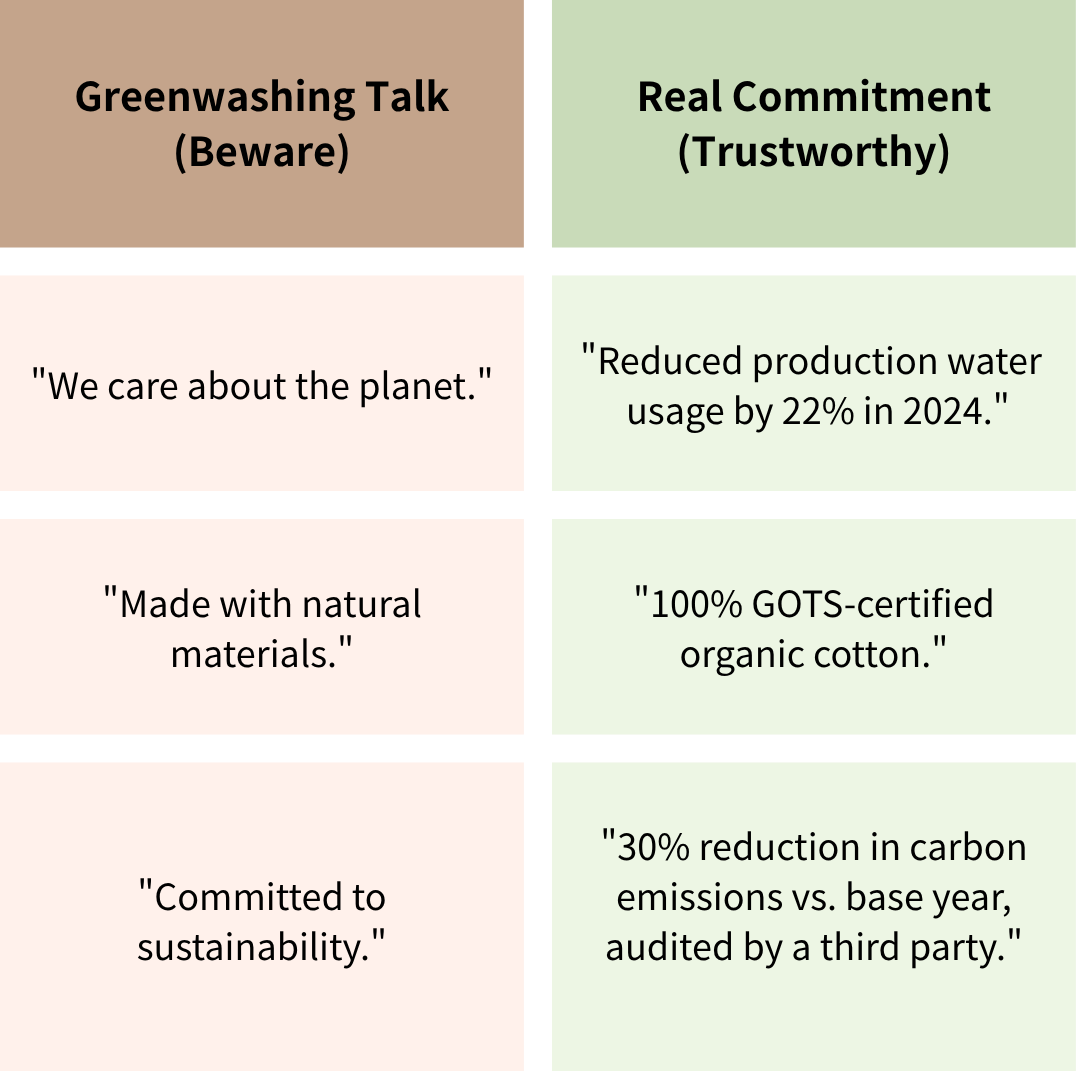
Inniverse Pro-Tip: Check the "Sustainability Report" page for annual data and independent audit reports rather than marketing brochures.
4. Test the Supply Chain: The Direct Question Method
If you are considering a new supplier on our marketplace, contact their representative (or our customer service, Brandon) and ask:
- In which country is your primary factory located, and what is the hourly wage for workers?
- How do you manage fabric offcuts and textile waste?
- Is the product packaging 100% recyclable or compostable?
If the response is merely a generic ESG statement, take it as a red flag.
5. Extended Producer Responsibility (EPR): Making Brands Pay for Waste
The EPR system now requires brands to bear the costs of recycling, sorting, and reusing their products. The hidden costs of "fast fashion" are finally surfacing.
Inniverse Pro-Tip: Prioritize suppliers and brands—like Few and Far—that offer buy-back programs, textile recycling, or repair services.
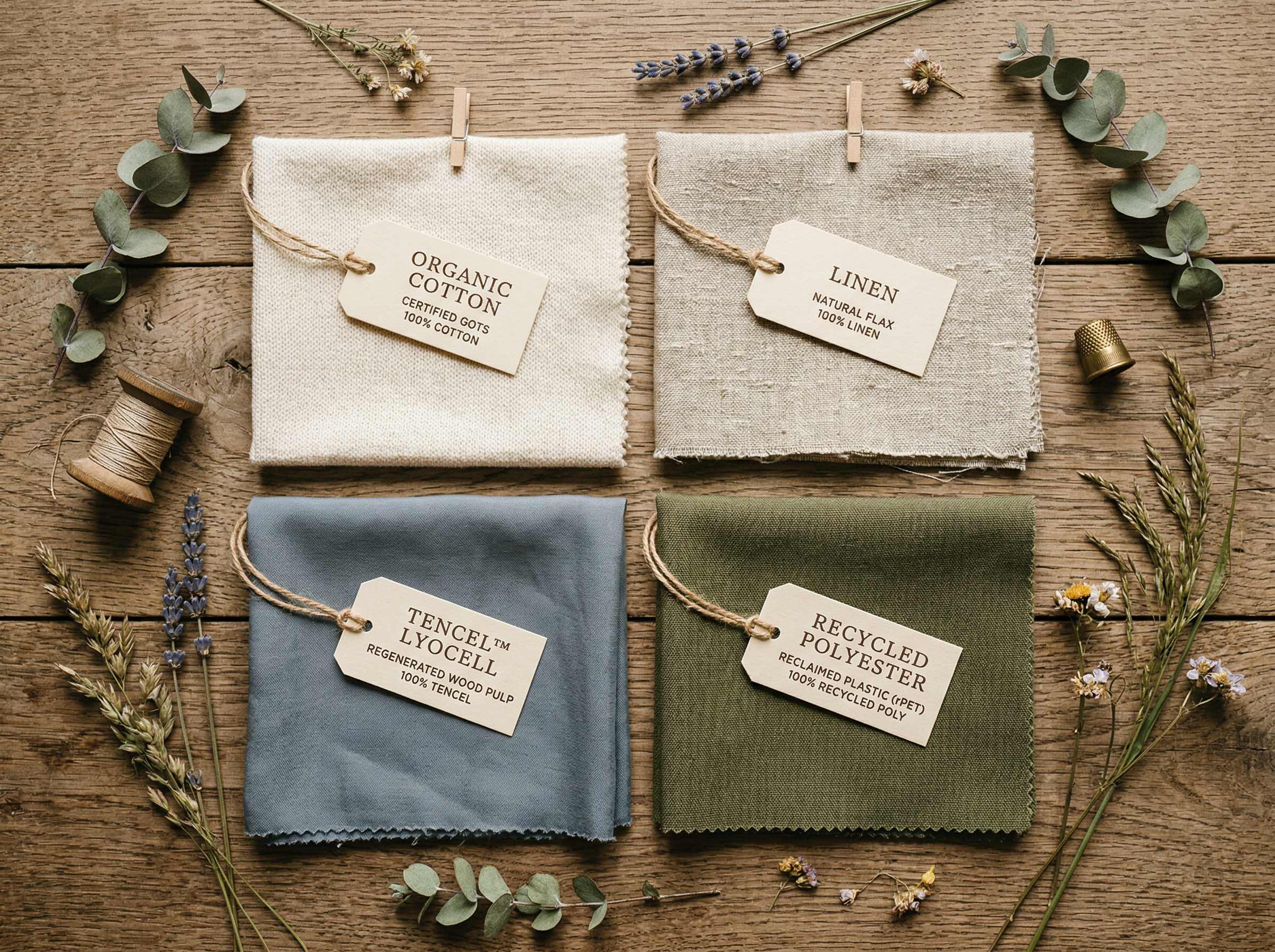
In 2026, sustainable fashion is no longer just a lifestyle attitude; it is a choice governed by rules, certifications, and legal accountability. Every purchase order you place on Inniverse is a vote for a specific way of doing business. Let’s make it count.
0 comments