

The Latest Trends in Wearable Devices and Smart Wear
Wearable devices and smart wear are rapidly evolving across the fields of health, environment, and luxury. Here, we’ll take a look at the latest developments in each of these categories.
Applications in the Health and Fitness Market
The health and fitness market is one of the areas where wearable devices and smart wear have become most widespread.
For Everyday Health Management
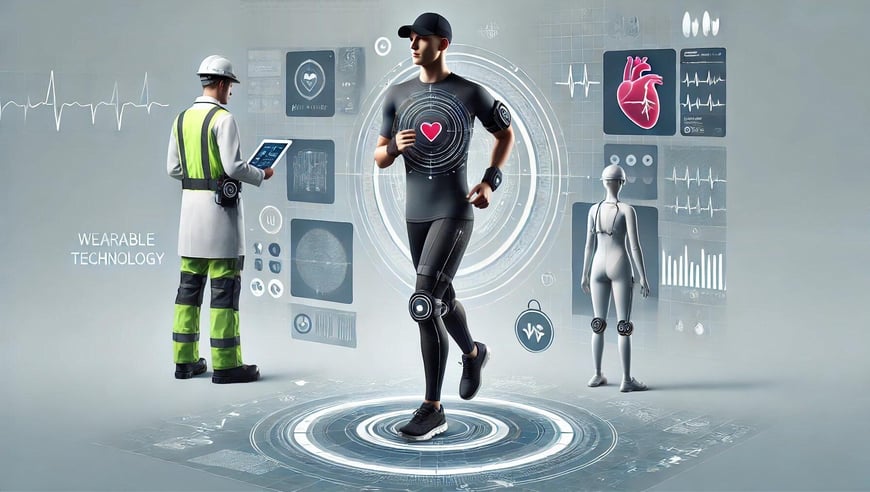
Smart wear designed for health management uses sensors to measure heart rate, blood pressure, body temperature, and more in real time. This is especially beneficial for people with chronic health issues and the elderly, as it allows them to constantly monitor their health status. Smart wear with blood sugar monitoring functions for diabetes patients and devices that record breathing patterns during sleep are opening up new possibilities in health management. These products have established themselves as essential tools for improving both health and quality of life.
For Enhancing Training Effectiveness in Sports
Smart wear designed for sports measures muscle movement, fatigue levels, and exercise volume in real time. This enables athletes to analyze physical load, condition, and their own performance, allowing for more efficient training. For example, smart leggings and shirts are equipped with built-in sensors that provide feedback based on posture and movement, helping users optimize their workouts.
For Health and Safety Protection in Construction and Worksites
“Safety and protective smart wear” developed for workers in construction sites and hazardous environments is gaining attention. These smart garments not only provide safety features such as shock absorption, burn prevention, and protection against chemicals but also contribute to workers’ health management. Equipped with sensors that monitor heart rate, body temperature, and sweat levels, they can detect risks like heatstroke and fatigue, issuing timely warnings. Additionally, some products support proper posture and reduce the impact of vibrations and noise, helping maintain long-term health.
Environmentally Friendly Smart Textiles
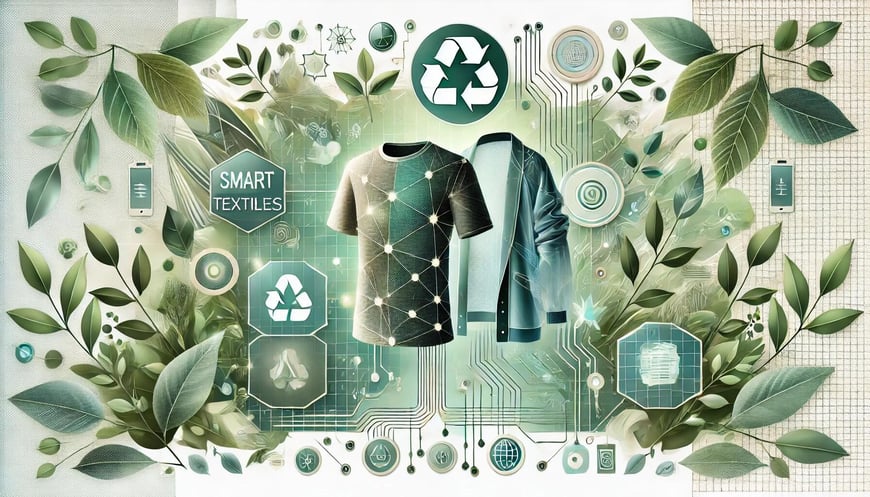
In today’s world, where environmental awareness is more important than ever, sustainable smart textiles are gaining attention. These products aim to reduce environmental impact by using recycled materials and maximizing energy efficiency.
Utilizing Materials That Reduce Carbon Emissions
Smart wear made from recycled polyester helps cut down carbon emissions during the manufacturing process. Plus, jackets equipped with solar power capabilities can generate electricity outdoors to charge electronic devices like smartphones. These kinds of products are steadily growing as next-generation fashion that blends technology with environmental awareness.
Using Temperature Regulation Features
Smart wear that adjusts the temperature inside the clothing based on the surrounding air temperature and humidity is also gaining attention. Some use special yarns, while others have built-in systems that automatically heat or cool in response to detected temperatures. By properly regulating body temperature, these garments can reduce the need for air conditioning and heating, lowering energy consumption and helping to lessen environmental impact.
Technologies That Extend Garment Lifespan
Technologies that extend the life cycle of clothing are also evolving. Textiles with self-healing properties and antibacterial materials that reduce the need for frequent washing are expected to further lessen environmental impact. This allows consumers to enjoy innovative fashion while taking responsibility for the environment.
Expansion into Luxury Fashion
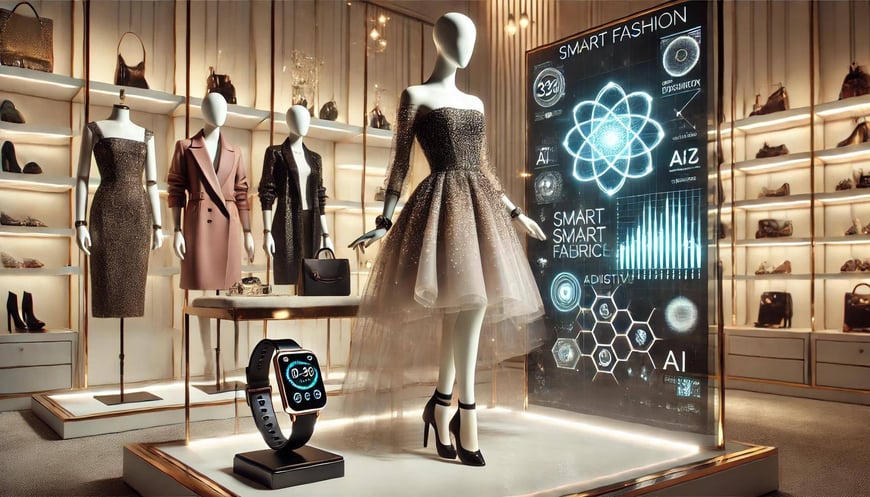
Wearable devices and smart wear have also entered the luxury fashion market, creating a new segment that combines functionality with elegance. This evolution transforms the traditional concept of "dressing up," introducing practical yet sophisticated fashion.
High-end brands are seeing growing popularity in smart accessories. For example, Louis Vuitton’s smartwatches blend refined design with cutting-edge technology, earning recognition not only as fashion items but also as practical devices. Additionally, Gucci has launched limited collections using eco-friendly smart materials, enhancing its brand image while attracting new customer segments.
The above content is reproduced from “wearware ”
wearware | Supporting the Digitalization of Fashion Design (shimaseiki.com)
0 comments