

Foreword:
Our planet's precious resources are being depleted at an alarming rate. The impact we're having on the climate is akin to applying a scorching hot compress to the Earth's forehead. Our air quality and waterways are being polluted, like a once-pristine painting now marred by careless scribbles. And the waste we produce is astronomical—just the production of viscose results in over 150 million trees being illegally cut down each year, effectively eradicating small forests daily (Canopy Planet, 2015).
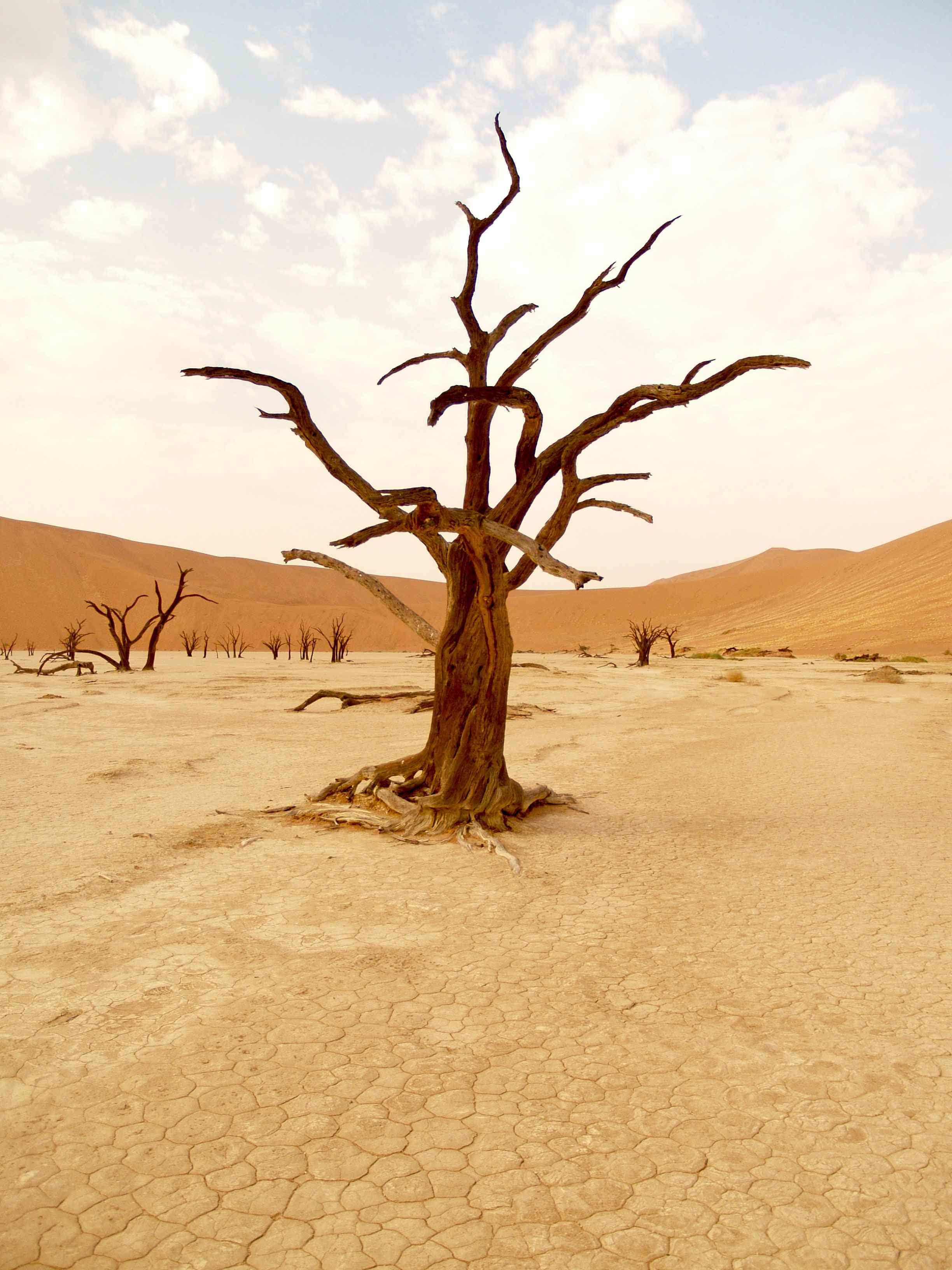
The fashion industry contributes a staggering 8% to the global greenhouse gas emissions, matching the total emissions of the entire European Union (Quantis, 2018). Our water pollution issues are inextricably linked to the wet processing of textiles (EMF, 2017). More disconcerting still, by 2030, our fashion waste is expected to soar to 148 million tons—a yearly accumulation of 17.5 kg of waste per person on the planet (Pulse of Fashion Report, 2018).
It's time for a change, fashion aficionados. It's time to make our love for fashion a little greener, a lot more sustainable. Because we love fashion, but we love our planet too.
Eastman and Naia Renew:
At Eastman, we've infused the fashion industry with a breath of fresh air using Naia™ fiber, a sustainable powerhouse.
Sourcing wood from certified forests, our eco-friendly closed-loop system ensures every step is a gentle caress to our planet. Naia™, with its low carbon and water footprint, elegantly strikes a balance between fashion and environmental stewardship.
When Naia™ has fulfilled its purpose, it transitions back to nature, biodegradable and leaving no trace.
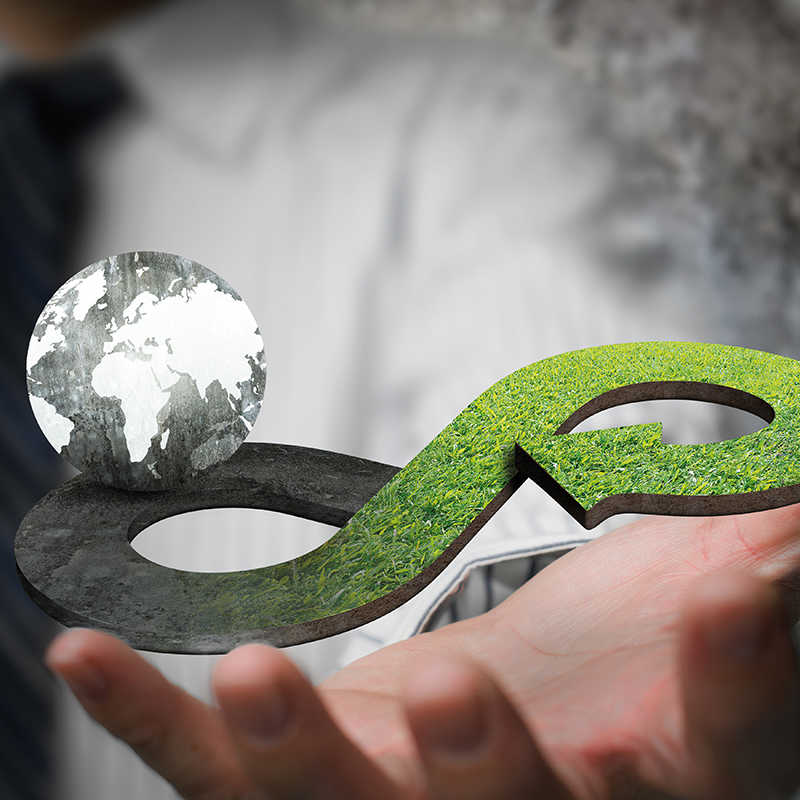
Our goal with Naia™ Renew is to revolutionize the fashion world into a circular economy where sustainability and style go hand in hand, turning a new leaf for the industry.
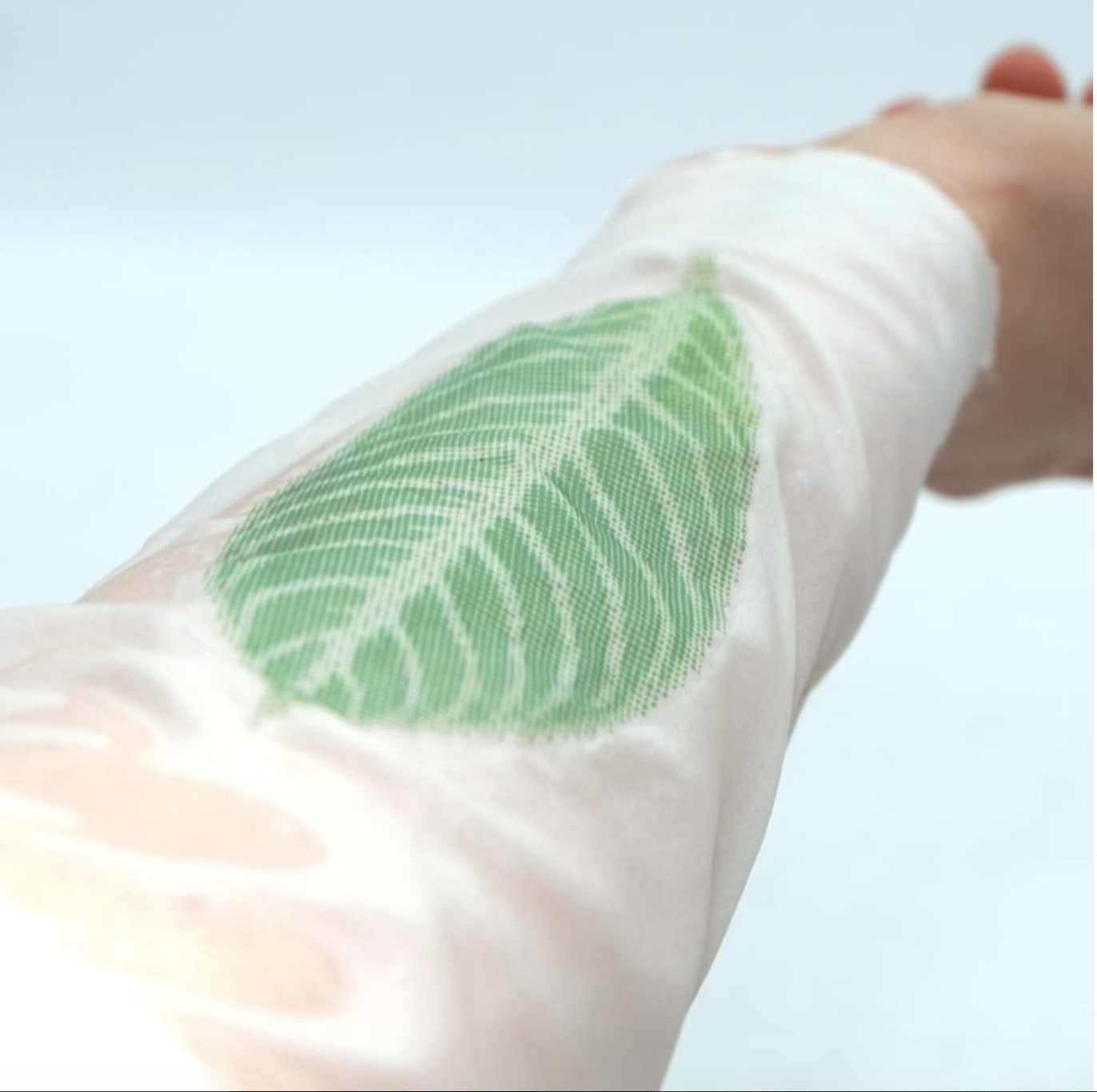
Naia™ Renew is an innovative cellulose fiber developed by Eastman, blending wood pulp from sustainably managed forests with acetate derived from recycled plastics. Manufactured using Eastman's patented Carbon Renewal Technology, it transforms mixed plastic waste into fundamental molecular building blocks, which are then reassembled into new fiber materials.
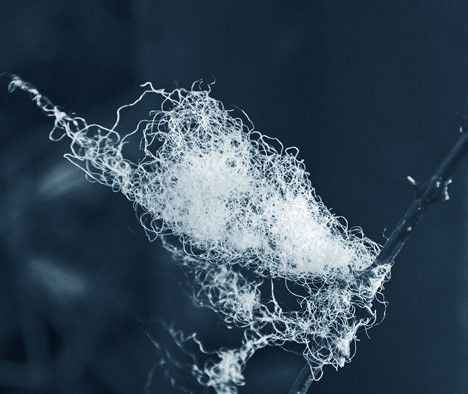
The development of Naia™ Renew signifies Eastman's commitment to propelling the fashion industry towards a circular economy. Here are some key features of Naia™ Renew:
- Sustainable Sourcing*The wood pulp in Naia™ Renew comes from certified sustainable forests and plantations.
- Closed-Loop System*The production process uses a closed-loop system where solvents are recycled, reducing waste and pollution.
- Optimized Manufacturing*The manufacturing process is fine-tuned to minimize carbon and water footprints, lessening the environmental impact.
- Biodegradability*Naia™ Renew fibers are biodegradable at the end of their lifecycle, returning to nature gracefully.
- Large-Scale Circular Innovation*The development of Naia™ Renew aims for large-scale circular utilization in the fashion industry, reducing plastic waste through innovative methods while maintaining product quality, performance, and appearance.
- Uncompromising Quality*Despite its focus on sustainability and eco-friendliness, Naia™ Renew matches traditional fibers in quality and performance, meeting the fashion industry's high material standards.
With these features, Naia™ Renew offers the fashion industry an eco-friendly alternative, promoting a more sustainable and circular future. Eastman is dedicated to working with clients to deliver the material performance they expect while protecting the environment and natural resources for future generations.

The production process of Naia™ Renew is an innovative circular economy practice that combines renewable wood pulp with acetate from recycled plastic waste to create staple and filament yarns. Here's a detailed description of the process:
- Renewable Fiber Source*One of the raw materials of Naia™ Renew comes from sustainably managed and certified forest and plantation wood pulp.
- Fiber Processing*These fibers are ground into wood pulp, preparing for the next stage of production.
- Combining Acetic Acid*The wood pulp is combined with acetic acid, partially derived from recycled plastic waste.
- Cellulose Acetate Pellets*The mixture of wood pulp and acetic acid is processed into cellulose acetate pellets, the raw material for making yarns.
- Utilization of Molecular Building Blocks*These cellulose acetate pellets serve as molecular building blocks for the production of acetic acid.
- Recycling of Plastics*Through Eastman's Carbon Renewal Technology, waste plastics are diverted from landfills and broken down into their molecular building blocks.
- Proportion of Recycled Material*In Naia™ Renew fibers, 60% is certified wood pulp, and 40% is certified recycled plastic waste.
Application Areas
Naia™ Renew fibers, with their environmental characteristics and high quality, have been adopted by several well-known brands for the production of various garments and home textile products. Its use not only reduces the impact on the environment but also provides a superior wearing experience.
Production Process
The production process of Naia™ Renew is an innovative circular economy practice that includes the following key steps:
- Raw Material Procurement: Sourcing wood pulp from certified sustainable forests and plantations.
- Recycling of Solvents and Water: During the production process, solvents and water are recycled and reused.
- Dry Spinning: Using dry spinning technology to produce fibers.
- Ready for Shipping: Packing the produced fibers into rolls or bales for shipping.
- Closed-Loop Production: Achieving a closed-loop production system with a solvent recovery rate of over 99.6%.
Certifications and Sustainability
The sustainability of Naia™ Renew fibers has been certified by multiple third-party organizations:
- FSC® and PEFC™ Chain of Custody Certifications*Ensuring the sustainability of raw materials.
- OEKO-TEX® STANDARD 100 Product Class I Certification*Ensuring that no harmful chemicals are used throughout the production process.
- ISCC PLUS Standard Certification*A credible, transparent, and mature content recycling standard that ensures the accurate tracking and certification of the recycled portion in Naia™ Renew.
Additionally, Eastman is working towards obtaining the Global Recycled Standard (GRS) certification to further demonstrate the sustainability of Naia™ Renew.
Conclusion
The development of Naia™ Renew fibers represents Eastman's commitment to promoting a circular economy transformation in the fashion industry. The production process of this fiber not only shows respect and protection for the environment but also demonstrates how Eastman can drive the entire industry towards a more sustainable future through innovative technologies and sustainable practices. As the world increasingly values environmental protection and sustainable development, Naia™ Renew fibers are expected to play a more significant role in the future of the textile industry, bringing a greener and cleaner future to our planet.
0 comments