

Technological advancement is no longer solely focused on being "cutting-edge" but is increasingly oriented toward "intelligent" and "sustainable" development. In the fashion industry, "collaborating with nature" has become a central theme, leading major brands to actively explore climate-smart solutions that are environmentally friendly.

Colors: Drawn from Nature, Conveying Serenity and Responsibility
Color is fashion’s first language, and each hue under the "Resonance with Nature" theme carries a reverence for nature and a passion for life.
The WGSN Color of the Year for 2026, "Transformative Teal," stands as the cornerstone of this palette. Evoking the deep, misty tones of distant mountains at twilight, it is a shade that is both serene and richly layered. This color not only underscores the "Earth First" ethos but also imbues outfits with a quiet sophistication.
Equally noteworthy are the earthy hues, which are intrinsically linked to ecological responsibility. From deep browns and ochres to soft taupes, each tone is derived directly from the natural world. Wearing these colors is like adorning oneself with the fields, forests, and soil—they convey a connection to nature while exuding a grounded and dignified elegance.
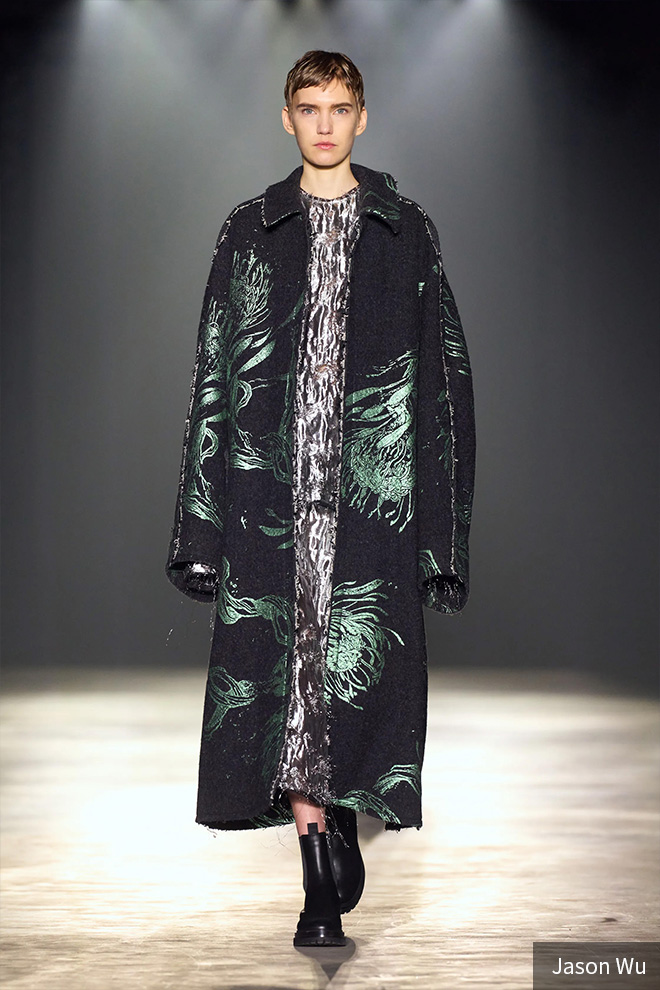
Fabrics: "Earth First" – The Perfect Fusion of Technology and Nature
At the core of the "Resonance with Nature" theme lies a commitment to sustainability, and the choice of fabrics is key to bringing this concept to life.
Unbleached natural fibers are among the top choices for materials. Cotton, linen, silk, and other natural fibers retain the authentic texture of raw materials, free from the pollution of chemical dyes. Not only are they gentler on the skin, but they also decompose safely after disposal, reducing the burden on the environment. Traceable wool, with its clear origin tracking, ensures that every strand comes from farms adhering to eco-friendly standards, guaranteeing both fabric quality and support for sustainable animal husbandry.
The application of plant-based dyes takes the integration of "nature" into the details a step further. Natural pigments extracted from petals, leaves, and roots give fabrics unique colors and textures. Each garment becomes a work of art crafted by nature itself, carrying a subtle, botanical fragrance.
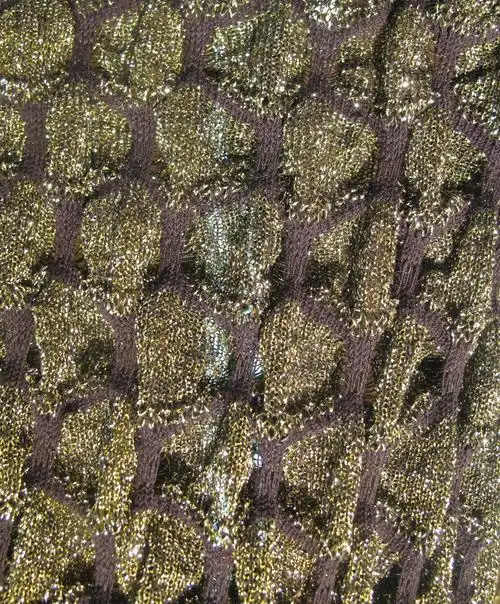

Print Patterns: Embrace Natural Textures, Inherit Artisanal Traditions
Incorporating print patterns with a lower environmental impact is not only a response to the trend of sustainability but also a way to convey reverence for nature and culture through visual language. The essence of prints such as natural textures, primal animal patterns, and pastoral florals lies in "restoring the authenticity of nature." By extracting textures and imagery inherently found in nature, excessive artificial design is avoided. At the same time, these patterns are adapted to low-pollution printing techniques, achieving a dual harmony of "visual eco-friendliness" and "production eco-friendliness."
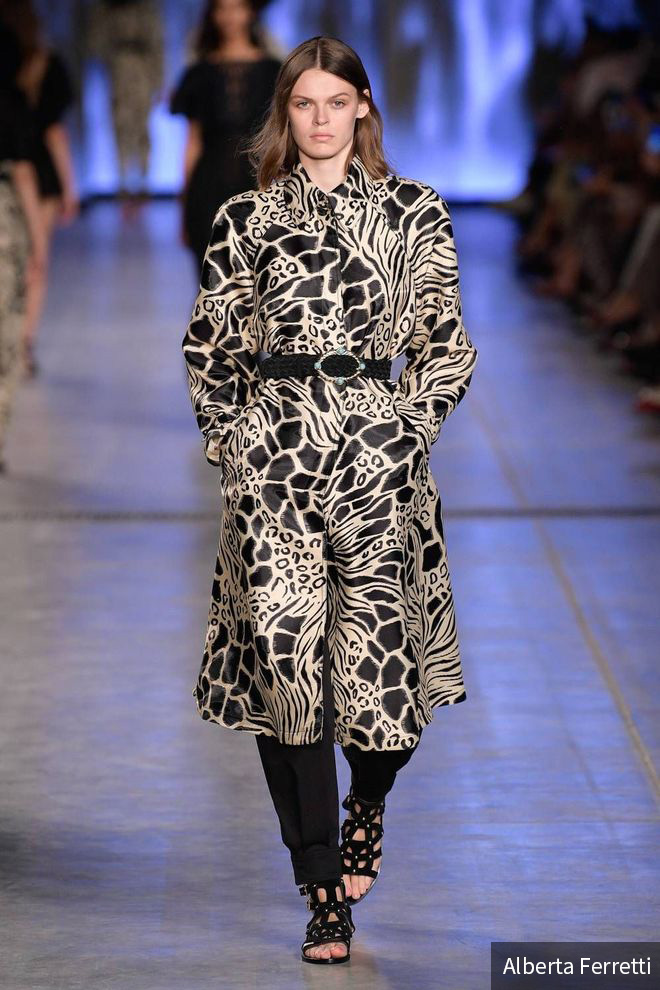
AW 2026/27 "Resonance with Nature": Fashion is not merely about pairing fabrics and colors, but an attitude of coexisting with the Earth. It is embodied in the tranquility of "dusk mountain hues," the softness of plant-dyed textiles, and the practical details of modular outdoor wear.
This autumn/winter, there’s no need to choose between "style" and "sustainability." Embrace earth tones, opt for innovative natural fabrics, and carry a reverence for nature. Whether in the city or the wilderness, become a fashion statement that harmonizes with the natural world.
0 comments