

Environmental protection is no longer an "extra credit task" for the fashion industry, but a compulsory question that determines brands' long-term competitiveness.
As low carbon rises to a national strategy and green consumption becomes a mainstream choice, Chinese fashion brands are embracing an in-depth transformation toward circular regeneration. How can environmental responsibility be translated into commercial advantages? This 2027 industry strategy delivers actionable solutions.
I. Why Circular Regeneration Is a Must for Fashion Brands
1. Mandatory Policy Requirements: Clear 2030 Circular Utilization Targets
China has set explicit national goals:
- Achieve a 30% recycling rate for waste textiles by 2030
- Reach an output of 30 million tons of recycled fibers
Driven by policy guidelines, environmental compliance is no longer an option but the foundation for brands’ compliance and long-term development.
2. New Technological Support: Mature Clean Production & Recycling Technologies
Independent breakthroughs have been made in textile clean production, bio-based fibers, and waste fiber recycling and upcycling technologies, equipping brands with solid technical support to implement circular practices.
3. Emerging Consumption Trends: 73.8% of Consumers Prioritize Green Products
- 70% of post-90s generations embrace green consumption
- The figure rises to 79% among Gen Z
Gen Z and senior consumers have become the main force of green consumption, willing to pay a premium for sustainable values.
4. New Commercial Advantages: Sustainability as a Brand Moat
Investment in sustainability boosts consumer loyalty, cuts supply chain costs, and builds differentiated competitiveness, enabling brands to stand out in a homogenized market.
II. Two Core Strategies to Realize Circular Regeneration
Strategy 1: Build Internal Brand Circulation & Full-Link Closed-Loop System
Integrate environmental concepts into every link of design, production, marketing and recycling to form an internal ecological closed loop, avoiding empty greenwashing labels.
-
Circular Ecological Closed Loop Cover the entire process of material development, production, recycling and logistics, embedding green philosophy into brand operations and establishing a distinct eco-friendly brand image.
-
Upcycling of Defective Goods Repurpose defective fabrics and finished products through creative redesign combined with intangible cultural heritage crafts and traditional embroidery, reducing waste while endowing products with unique artistic value.
-
New Narratives for Pre-Owned Items Remake past-season products with upcycling techniques, highlighting durability and emotional value to advocate a long-term consumption mindset.
-
Multifunctional & Modular Design Adopt flexible combined components and multi-purpose design; packaging and accessories are designed for secondary use to cut waste at the source.
-
Creative Workshops: Engage Consumers in Environmental Action Launch clothing repair and upcycling workshops to involve consumers in sustainable creation, digest idle resources and deepen brand recognition.
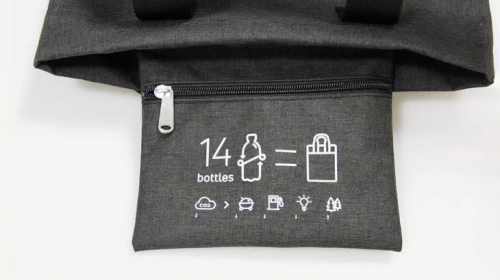
- Popu Regen: Established a complete closed loop of recycling, upcycling, design and promotion, with over 25.6 million plastic bottles recycled to date.
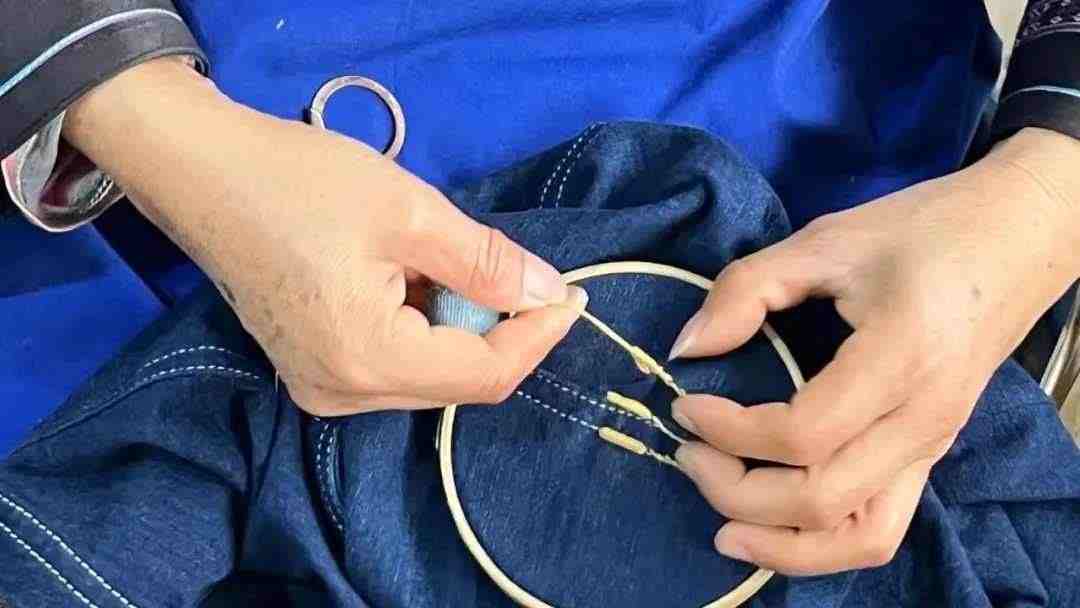
- Klee Klee: Remakes defective products with Dong embroidery, advocating the philosophy of wearing old clothes for longer lifespans.
Strategy 2: Enlarge Brand Influence via Environmental Cross-Border Collaboration
Leverage cross-industry partnerships to popularize sustainable concepts and attract like-minded consumers.
-
Co-Branded Symbiosis Collaborations between designer brands and commercial brands lower market trial risks, interpret environmental protection through creativity and achieve win-win results.
-
Cross-Industry Boundary Breaking Partner with coffee, technology and outdoor lifestyle brands to create hit products using innovative waste materials such as coffee grounds, recycled aluminum and plastic bottles, reshaping public perception of sustainable fashion.
-
Strategic Collaboration with Celebrities & KOLs Partner with environmentally aligned brand ambassadors to promote eco-friendly lifestyles through commercial campaigns and offline events, driving fan participation and enhancing brand commercial value.
-
Multi-Channel Voice Amplification Cooperate with media, offline retail spaces and lifestyle markets to integrate circular fashion into daily life and expand brand influence.

- ASH × Nespresso: Utilizes coffee grounds for shoe soles and recycled aluminum for tags, turning waste into fashion essentials.
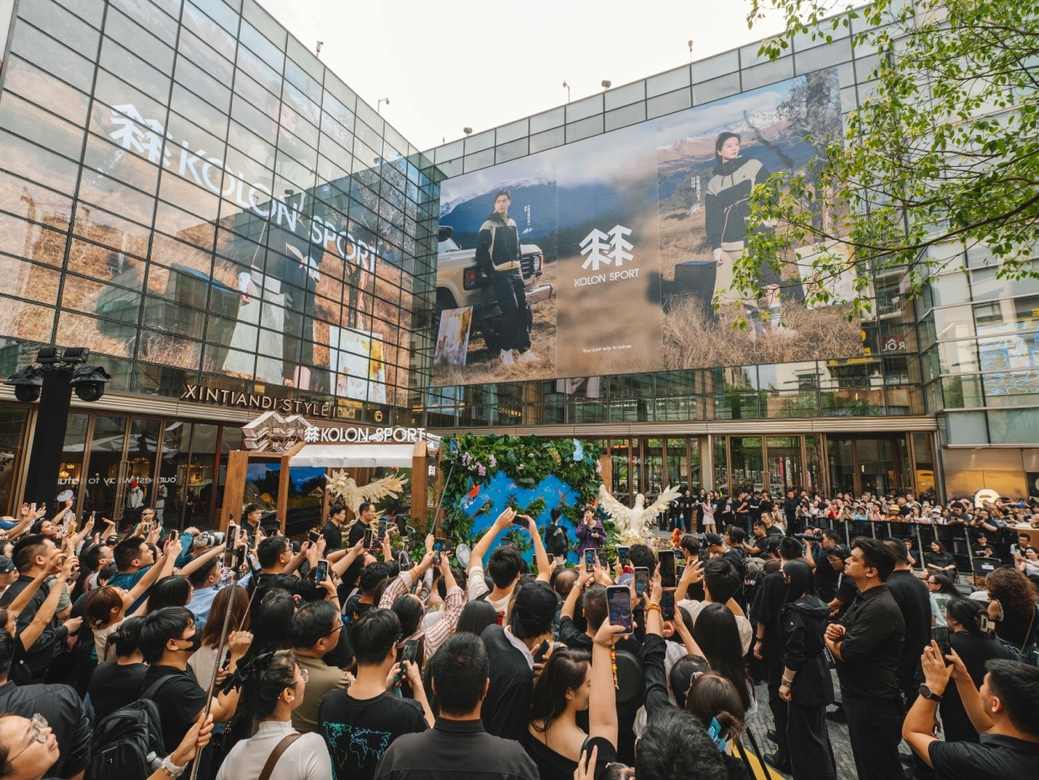
- KOLON SPORT: Partners with Hu Ge to convey an outdoor eco-friendly philosophy centered on "Zero Waste".
III. The Future Is Here: Circular Fashion Beyond Environmental Protection
The global green technology market reached $28.87 billion in 2025 and is projected to grow to $185.21 billion by 2034, with a compound annual growth rate of 22.94%.
For Chinese fashion brands, circular regeneration is not a cost burden but a new growth driver. It aligns with China’s dual-carbon goals, captures green consumption dividends, and builds a responsible, humanistic brand with long-term value.
In 2027, let circular regeneration become the new hallmark of Chinese fashion.
0 comments