

In the digital age, technology is reshaping our lives. By 2026, technology will not only bring more efficient production processes to the fashion industry but also drive the sector towards a more sustainable, transparent, and personalized direction. However, the rapid development of technology also brings new challenges, especially the proliferation of misinformation and the double-edged sword effect of AI technology. Against this backdrop, ensuring that technology is used for good has become a question that every fashion company and consumer must consider.
1.Combating Misinformation: The Power and Responsibility of Technology
With the widespread adoption of AI technology, the speed and scale of misinformation dissemination have reached unprecedented levels. By 2026, 90% of online content may be AI-generated, making it even more difficult to distinguish between real and fake information. To address this challenge, fashion companies must take action. For example, brands can use blockchain technology to trace the production process of clothing, ensuring the transparency and credibility of the origin of each product. Companies such as Adobe, Google, and TikTok have already introduced new labeling systems to help users identify AI-generated content. Fashion brands can learn from these technologies and introduce "transparency labels" to inform consumers about the material sources, production environments, and carbon footprints of their clothing.

2.Technological Realism: Balancing Optimism and Pessimism
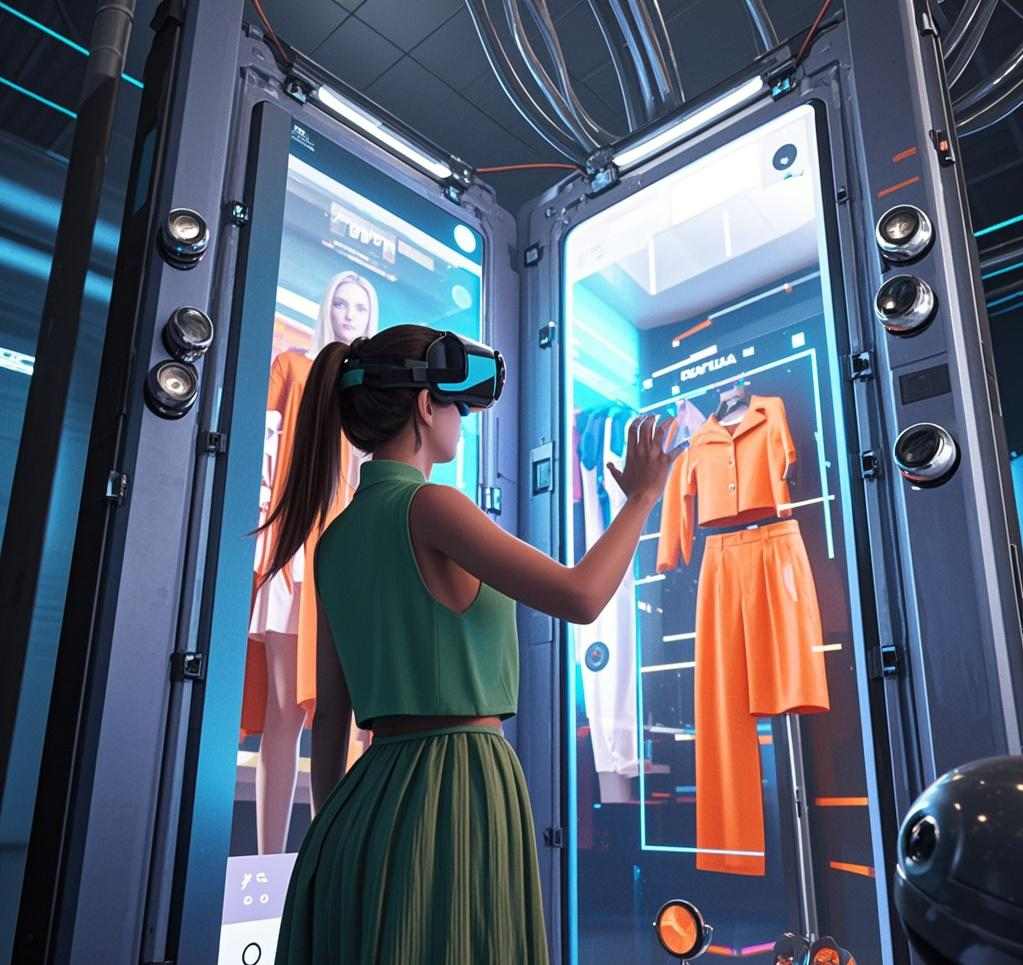
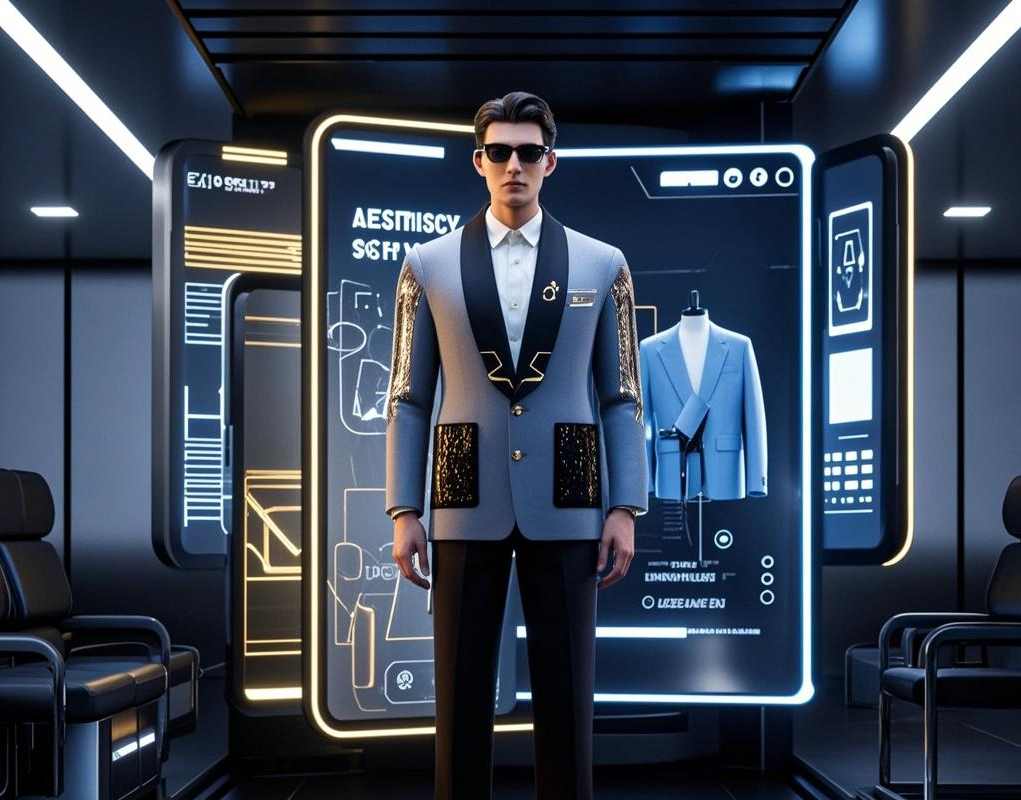
Technological realism offers a middle ground, neither blindly optimistic nor overly pessimistic. It views technology as a tool to address ethical issues, achieve strategic creativity, and solve real-world pain points. In 2026, virtual fitting technology will provide consumers with a more personalized shopping experience. Through AI and AR technologies, consumers can virtually try on clothes at home, saving time and money. At the same time, fashion brands can use AI to analyze consumer purchasing behavior and preferences, launching products that better meet market demands.
4.The Joy of Living Offline (JOLO): Countering Tech Anxiety
As a reaction to FOLO (Fear of Logging Off) and FOBO (Fear of Becoming Obsolete), JOLO (Joy of Living Offline) will become mainstream in 2026. Explore, an ad-free social media platform, promotes creativity and community without algorithm-driven content or likes. Fashion brands can adopt this philosophy by launching offline experience stores, allowing consumers to enjoy shopping in an undisturbed environment.

5.Addressing Post-Truth Perfectionism: The Collision of Technology and Reality
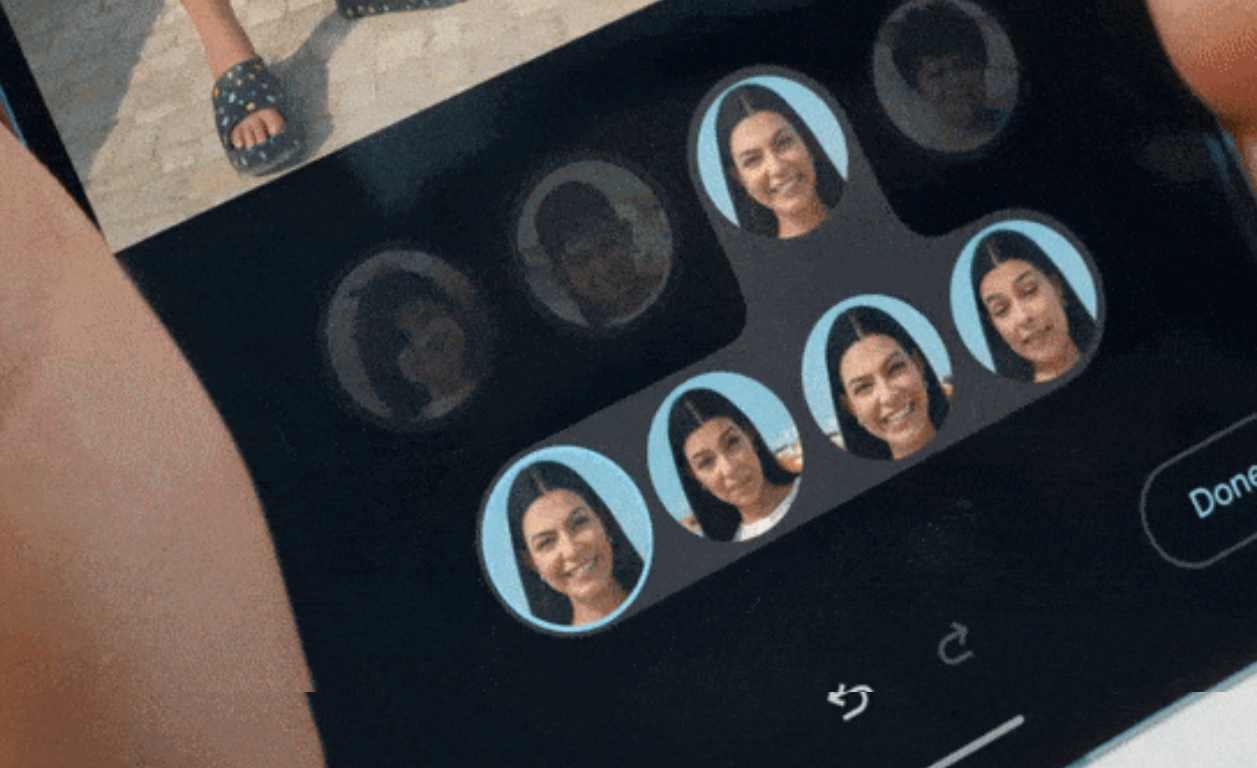
In 2026, we will face a more serious issue: combating unrealistic ideals driven by technology. Google's Pixel 8 phone features a Best Take function that selects the most perfect smile and uses Magic Editor to create a perfect background. However, AI-generated "perfect body" images also bring disturbing racial biases. Fashion brands can use technological means to introduce inclusive designs, meeting the needs of consumers with different body types, skin tones, and cultural backgrounds, breaking traditional aesthetic standards, and showcasing diverse beauty.
Using technology for good is not only the responsibility of fashion companies but also the pursuit of every consumer. In 2026, we look forward to seeing more fashion companies use technology to solve real-world problems and drive sustainable development in the industry. At the same time, we must remain vigilant to ensure that technological development does not deviate from the path of humanity. Let us embrace technology with a clearer mindset and create a digital world that is both human-centric and sustainable.
0 comments